Prevention
How to Prepare for a Sewer Camera Inspection
A little preparation turns a sewer camera inspection into a faster, more useful visit — and most of it takes less than fifteen minutes. Here's exactly what to check, clear, and gather before the technician arrives.
By Sewer Inspects · Updated September 15, 2026 · 14 min read

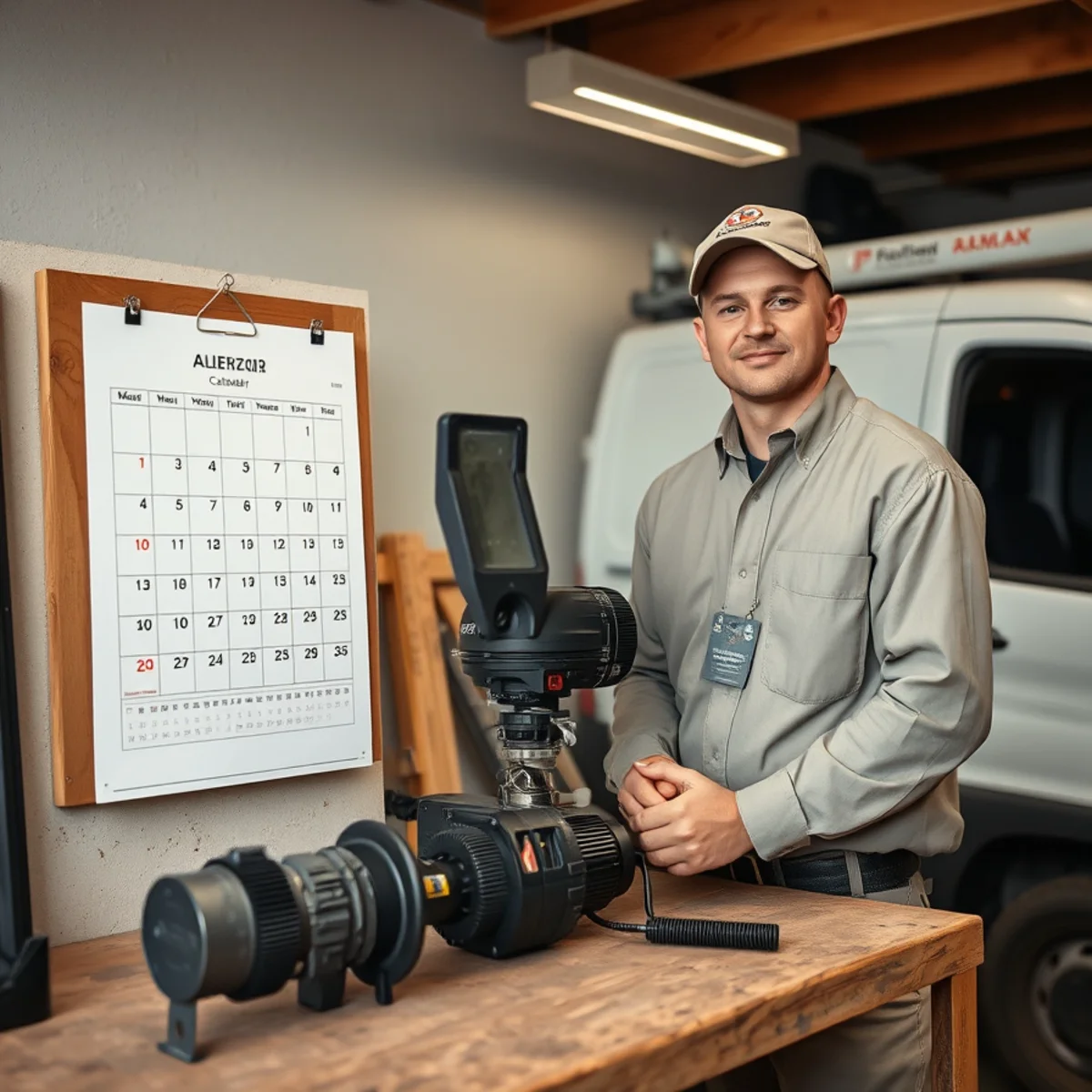
Most homeowners book a sewer camera inspection without giving a second thought to what happens before the technician shows up — and most of the time, that's fine. But a few minutes of preparation can be the difference between a smooth 45-minute visit and a longer appointment spent searching the yard for a buried access point or waiting on a car to get moved out of the driveway. None of this prep is complicated. It's mostly about knowing where your cleanout is, making sure it's reachable, and having a rough idea of what the visit will actually involve.
This guide walks through everything worth doing ahead of an inspection in Sterling Heights or anywhere else in Metro Detroit, whether you're a homeowner dealing with a slow drain, a buyer scheduling an inspection during a purchase contingency, or a seller trying to get ahead of a question a buyer's inspector might raise later.
A camera inspection is a diagnostic service — the technician feeds a waterproof camera through your line and records what it finds, from root intrusion to a bellied section to a simple grease buildup. The quality of that diagnostic depends partly on equipment and skill, but it also depends on access. If the cleanout is buried under two feet of mulch or blocked by a parked car, the technician spends part of the appointment just getting to the pipe instead of running the camera through it.
Preparation also affects how useful the footage ends up being. A line that's been recently used for laundry or dishes can have soap film or standing water sitting in the lower part of the pipe, which sometimes obscures the camera lens right at the start of the run. None of this is disqualifying — technicians work around it constantly — but a little forethought produces cleaner footage and a clearer report, which matters most if that report is going to inform a repair decision, a real estate negotiation, or your own peace of mind about an older sewer line.
Find Your Cleanout Before the Technician Arrives
A cleanout is the access point technicians use to feed the camera into your line, and locating it ahead of time is the single most useful thing you can do to prepare. Most homes have one of three types, and depending on the age and layout of your house, you may have more than one.
Interior Floor Cleanout
Many homes built from the mid-20th century onward have a capped pipe fitting set into the basement or crawlspace floor, often near a floor drain, the water heater, or where the main line exits the foundation. It typically looks like a round or square metal or PVC cap flush with the concrete. If your basement is finished, this cleanout may be hidden under carpet, a storage shelf, or a false floor panel — worth checking now rather than during the appointment.
Exterior Ground Cleanout
Outside, look for a capped pipe sticking a few inches out of the ground, usually somewhere along the side or back of the house between the foundation and the street or septic connection. These caps are often black or white PVC and can get swallowed by grass, mulch beds, or landscaping over the years. If you've never noticed one, walk the perimeter of your foundation and look for a small round cap roughly level with or slightly above the grass line.
Roof Vent Access
Some older homes, particularly ones without a dedicated cleanout, can only be accessed through the plumbing vent stack on the roof. This is a less common route and generally a technician's last option rather than a first choice, since it adds time, requires ladder access, and sends the camera through a longer, more convoluted path before it reaches the main line. If a technician mentions this is the only access point on your property, that's useful information on its own — it may be worth asking about installing a proper cleanout down the road so future inspections and any eventual repair work are easier to access.
Can't Find a Cleanout?
Don't worry about it before the appointment. Tell us when you call, and a technician will locate the best access point on arrival — through an interior fixture, an exterior cap, or the roof vent if nothing else is available. Not having an obvious cleanout has never stopped an inspection from happening.
Clear Physical Access to Every Access Point
Once you know where your cleanout is, make sure a person can actually get to it and comfortably kneel or set up equipment nearby. This is the part of prep that saves the most time on inspection day, and it's almost entirely within your control.
- Move any stored items, bins, or shelving blocking an interior basement or crawlspace cleanout
- Clear mulch, leaves, or overgrown landscaping away from an exterior ground cleanout cap
- Move vehicles away from a driveway cleanout or a spot the equipment van needs to park near
- Secure pets in another room or outside the immediate work area — camera cable and equipment on the floor is not something you want a curious dog investigating mid-inspection
- Turn on basement or crawlspace lighting ahead of time, or make sure a light switch is easy to find
- Let household members know a technician will be working near a drain or cleanout so nobody runs water through that fixture mid-inspection
None of this needs to happen days in advance. Fifteen minutes before the appointment window is plenty for most homes. The goal is simply removing anything that would slow a technician down or create a hazard once camera cable is laid out across the floor.
Should You Run Water or Stop Using Drains Beforehand?
This is one of the most common questions we get, and the honest answer is that it depends on what's prompting the inspection. If you called because of a slow drain, a gurgling toilet, or a suspected sewer clog or blockage, it's fine to keep using water normally right up until the appointment — the technician wants to see the line in its actual current condition, and a genuine clog won't disappear just because you stopped running the dishwasher for a day.
If you're scheduling a routine or preventive inspection with no active symptoms — for example, ahead of a home sale or simply because the line is decades old and has never been scoped — it can help to avoid heavy water use (a full load of laundry, a long shower, running the dishwasher) in the hour or so right before the appointment. This reduces the amount of standing water and soap film in the pipe, which can make for clearer footage right from the start of the run. It's a nice-to-have, not a requirement, and skipping it will not prevent the inspection from happening or meaningfully change the findings on a line with an actual defect.
One thing to avoid regardless of the reason for the visit: don't pour chemical drain cleaner down a fixture in the hours before an inspection. Beyond the safety concerns of a technician working near a chemically treated line, these products rarely clear a real blockage and can make it harder to get an accurate read on what's actually causing the problem.
What to Have Ready: History, Address, and Access Details
A bit of information handed to the technician up front, or mentioned when you book, helps target the inspection and interpret what shows up on screen.
- Any past plumbing history — previous clogs, prior repairs, a known root problem, or a section of pipe that's already been replaced
- The approximate age of the home and, if known, the sewer line material (clay, cast iron, PVC, or Orangeburg are all still common across older Metro Detroit neighborhoods)
- Whether the home has ever backed up, and if so, roughly when and where the backup occurred
- For a vacant or investment property, the address and any gate code, lockbox code, or key location needed to get inside
- For a property under a real estate contract, a copy of the purchase agreement's inspection contingency deadline, so the visit can be scheduled with enough runway to act on the findings
None of this is required to book an appointment, but sharing what you know saves time on-site and helps the technician focus attention on the section of pipe most likely to show a problem, rather than scoping the entire run blind.
What to Expect During the Inspection Visit
For a typical single-family home, a standard sewer scope inspection usually takes somewhere between 30 and 90 minutes, depending on the length of the line, the number of access points involved, and whether the technician also performs sewer line locating to mark the pipe's path on the surface. Longer laterals, multiple cleanouts, or a line with several bends can push that toward the higher end.
The visit generally follows the same sequence: the technician confirms the best access point, feeds a waterproof camera on a flexible cable into the line, and advances it slowly while watching a monitor for defects — cracks, offset joints, root intrusion, bellies, scale buildup, or a full blockage. A distance counter on the equipment tracks how far the camera has traveled, so any issue found gets tied to a specific footage marker from the access point. If locating is included, a second pass or a sonde transmitter riding with the camera lets the technician trace the pipe's path from the surface and mark it, which matters most for anyone planning a repair or excavation afterward.
You're welcome to be present and watch the monitor during the inspection. Most homeowners find it genuinely useful to see the pipe interior in real time and ask questions as something interesting — or concerning — comes into view, rather than trying to interpret a written summary after the fact.
What You Receive Afterward: Video and Written Report
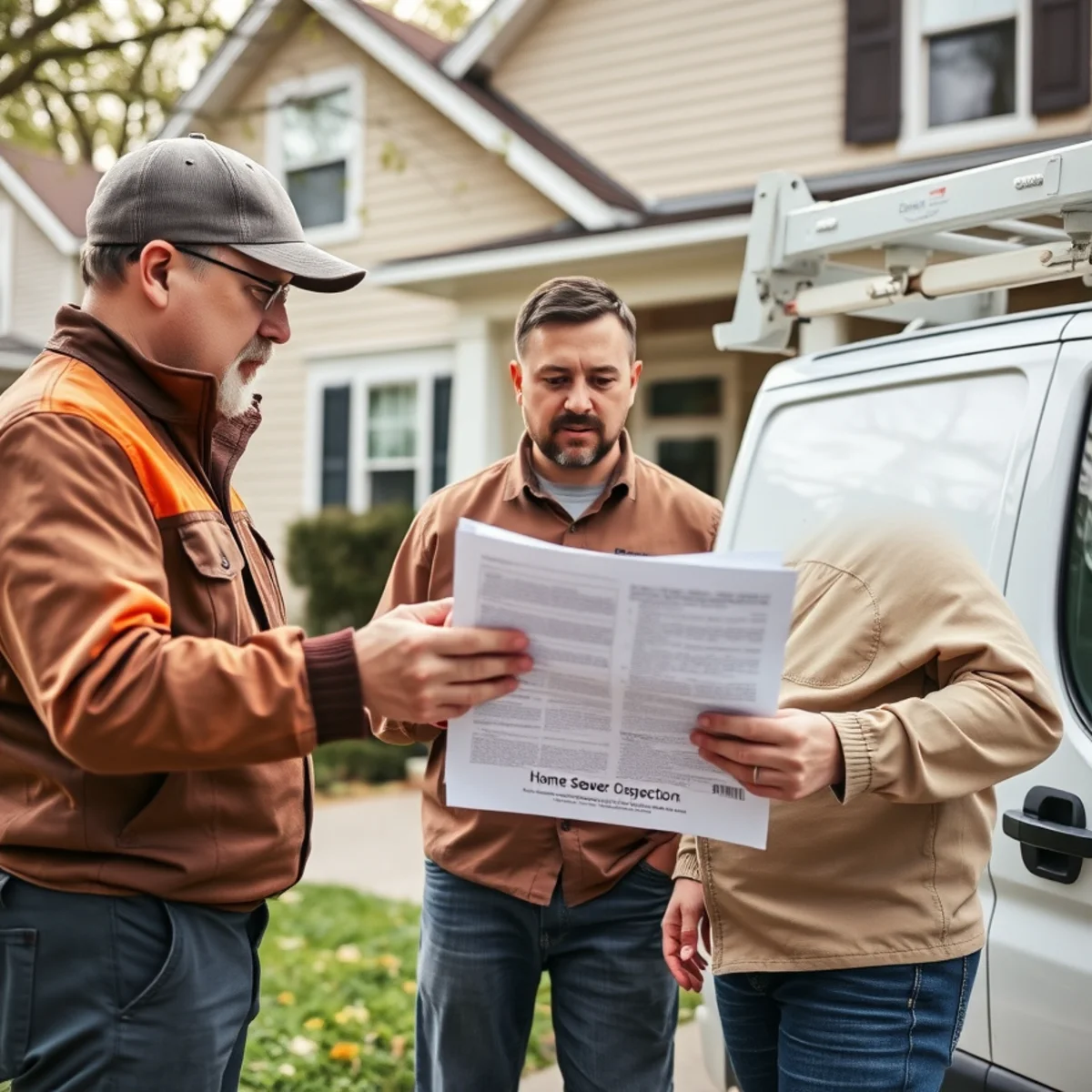
A complete inspection should leave you with two things: the recorded video footage and a written report summarizing what the footage showed. The video is the primary record — it's what a contractor, an insurance adjuster, or a real estate agent will want to see if the findings become relevant to a repair estimate or a negotiation. The written report translates that footage into a plain-language summary: what was found, roughly where it is in the line (measured from the access point), and how significant it appears to be.
A report worth relying on should answer a specific set of questions rather than just listing generic observations.
Questions a Good Inspection Report Should Answer
- What pipe material is the line, and roughly how old does the section appear to be?
- Were any defects found, and if so, what type (crack, offset joint, root intrusion, belly, scale, collapse) and how severe?
- Where is each defect located, measured in feet from the access point used?
- Is the line currently flowing, partially restricted, or fully blocked at any point?
- Was the entire accessible length of the line scoped, or did an obstruction stop the camera short of the full run?
- If locating was performed, where does the pipe's path fall relative to the house, yard features, and property lines?
- Does anything found warrant follow-up — either monitoring over time or a professional repair evaluation?
It's worth being clear about what this report is and isn't. It documents pipe condition — it is not a repair estimate, and a camera inspection company that only performs diagnostic work, like ours, won't be the one digging up or replacing anything found on the footage. That's intentional: a company with no financial interest in whether you need a repair has no reason to oversell one. If a defect is found, the report and video give you (or your own contractor of choice) an accurate, unbiased starting point for pricing the fix.
Special Cases: Buying, Selling, and Active Backups
Buying a Home
If you're under contract on a house, timing matters more than any other prep step. Most purchase agreements include an inspection contingency with a hard deadline, and a pre-purchase sewer inspection needs to happen — and its findings reviewed — before that window closes. Schedule it as early as possible rather than waiting until the last few days, since a defect found late can force a rushed negotiation or a contingency extension request that the seller isn't obligated to grant. Coordinate access with the listing agent ahead of time, especially for a vacant or occupied property where a lockbox code or scheduled walkthrough window is involved. Our real estate sewer inspection service is built around exactly this kind of deadline-driven scheduling.
Selling a Home
Sellers benefit from the same inspection for a different reason: knowing what a buyer's inspector will find before they find it. Ordering your own camera inspection ahead of listing lets you address a defect on your own timeline and with your own choice of contractor, rather than reacting to a buyer's inspection report during active negotiations. It also gives you documentation to share proactively, which can prevent a buyer's inspection finding from becoming a point of leverage during price negotiations.
Active Backup or Overflow
None of the preparation above applies if sewage is actively backing up into your home right now. Skip the checklist, stop using water in the house, and call immediately. An emergency sewer camera inspection or a targeted sewer backup inspection is about diagnosing the cause of an active event quickly, not preparing calmly in advance. The same applies to a sudden sewer gas odor that suggests a vent or trap failure — that's a call-now situation, not a plan-ahead one.
Your Sewer Camera Inspection Prep Checklist
Here's the short version — everything from this guide condensed into one list you can run through the morning of your appointment.
Before Your Sewer Camera Inspection
- Locate your cleanout (interior floor, exterior ground cap, or note if you're unsure — we'll find it)
- Clear stored items, debris, or landscaping blocking any access point
- Move vehicles away from a driveway cleanout or the equipment van's parking spot
- Secure pets away from the work area
- Turn on basement or crawlspace lighting
- Hold off on heavy water use for an hour beforehand if it's a routine, non-urgent inspection
- Skip chemical drain cleaners in the days before the visit
- Gather any known plumbing history, home age, or pipe material details
- For vacant properties, have gate codes, lockbox codes, or keys arranged
- For a home purchase, confirm your inspection contingency deadline and schedule with margin to spare
Serving Sterling Heights, Shelby Township, Troy, Rochester Hills, Clinton Township, and the surrounding Metro Detroit area, Sewer Inspects handles the diagnostic side of sewer line problems — camera inspection and line locating, nothing more, nothing less. If you're not sure which service fits your situation, or you just want to get an inspection on the calendar, call (614) 830-0578 and we'll help you figure out the right next step.
Need a sewer camera inspection?
Same-day appointments across Sterling Heights, Macomb County & Metro Detroit. Free quote, no obligation.