Problem-solving
The Home Buyer's Guide to Sewer Scope Inspections
A practical guide for Michigan home buyers on what a sewer scope inspection checks, why it's not part of a standard home inspection, and what to look for in the report.
By Sewer Inspects · Updated February 15, 2026 · 13 min read
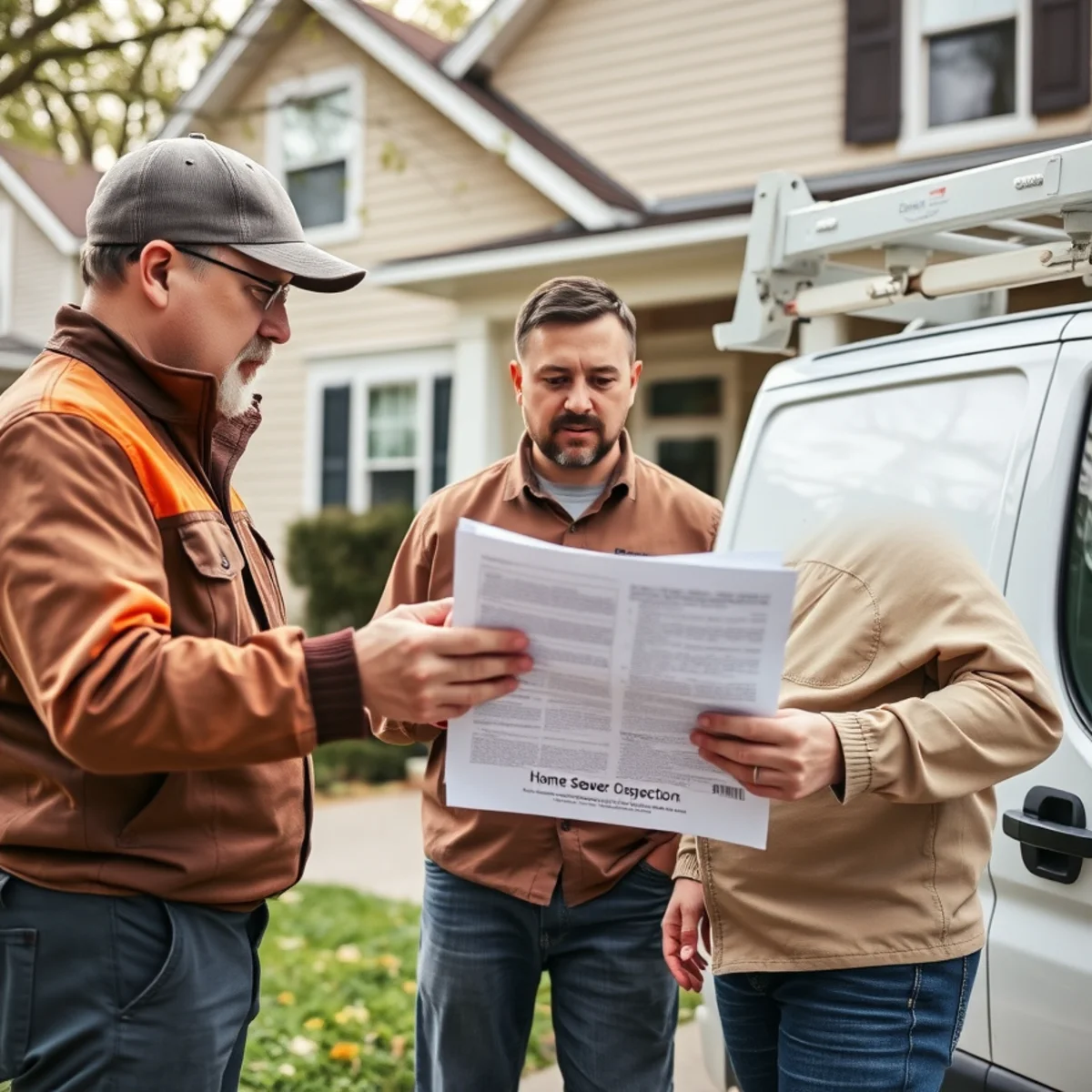
A sewer scope inspection for home buyers is a camera-based check of the underground lateral pipe connecting a house to the city main or septic system — and it's not part of a standard home inspection. If you're under contract in Troy or Rochester Hills, skipping it means closing without knowing whether that hidden pipe is sound or one storm away from an expensive failure.
This guide walks through what a sewer scope inspection actually checks, why it matters for buyers specifically, and what a proper report should tell you before you remove your inspection contingency.
What a Sewer Scope Inspection Actually Checks
A sewer scope uses a waterproof camera on a flexible cable to travel through the lateral pipe from a cleanout or fixture, recording video the entire way. It's the only way to see what's actually happening inside a pipe that's buried several feet underground. Specifically, it identifies:
- Pipe material — clay, cast iron, Orangeburg, PVC, or a mix from past repairs
- Cracks, fractures, and offset joints where sections have shifted
- Bellies — low spots where the pipe has sagged and waste pools instead of draining
- Root intrusion from nearby trees growing into joints and cracks
- Blockages, buildup, or debris restricting flow
- The connection point to the city main or septic tank
Why Standard Home Inspectors Skip the Lateral
General home inspectors evaluate what they can see and access without specialized tools — the roof, foundation, electrical, plumbing fixtures, HVAC. The sewer lateral runs underground, often 4–8 feet deep, and requires a dedicated drain camera inspection with equipment most general inspectors don't carry. That's why it's typically offered as an add-on service by a specialized inspection company rather than bundled into the standard home inspection.
Skipping it is where buyers get burned. A home can pass a general inspection with flying colors and still have a collapsed or root-choked lateral that costs $8,000–$25,000 or more to replace, especially if it runs under a driveway, mature landscaping, or the street itself.
What Your Inspection Report Should Include
Not all sewer scope reports are created equal. Before you rely on one to make a purchase decision, make sure it clearly documents:
A complete sewer scope report should state
- Which access point (cleanout, fixture, or exterior cap) the camera entered through
- The direction the camera traveled relative to the house
- The total distance traveled, in feet
- The pipe material identified along the run
- Where the camera stopped — either reaching the main/septic connection, or the reason it couldn't go further
- Any limitations, such as sections that couldn't be reached or visibility issues
A report missing these details is hard to act on. If a home inspector or seller's disclosure references a prior sewer inspection, ask for the actual video and written findings — not just a verbal summary.
When to Schedule It in the Home-Buying Timeline
Schedule your sewer scope during the same due diligence window as your general home inspection, ideally before your inspection contingency deadline. That gives you time to negotiate repairs, request a credit, or walk away if the findings are serious — options you lose once you've removed contingencies.
Local Considerations for Troy and Rochester Hills Buyers
Both communities have a strong mix of established neighborhoods with mature tree canopies — great for curb appeal, but a common source of root intrusion into older clay laterals. Homes built before the 1980s in these areas are more likely to have clay or cast-iron pipe nearing the end of its service life, which makes a scope inspection especially worthwhile even if the home shows no obvious symptoms.
If you're comparing multiple properties, a scope inspection can also be a useful negotiating tool — documented footage of root intrusion or a failing joint gives you leverage that a vague concern never will.
Red Flags Worth Watching For in a Seller's Disclosure
Michigan seller disclosure statements don't always require detail about underground plumbing, but a few phrases are worth flagging if you see them: any mention of a past "sewer backup," "drain clearing," or "root removal" service, any reference to the home having a septic system that was later connected to municipal sewer, or any renovation that involved excavation near the house. None of these automatically mean there's a current problem, but they're all reasons to prioritize a scope inspection rather than treat it as optional.
Sewer Scope vs. Municipal Lateral Certification: They're Not the Same Thing
Some Michigan municipalities require a point-of-sale sewer lateral certification before a property can transfer — a basic pass/fail check confirming the connection to the city main isn't leaking or cross-connected. Don't confuse that with a full sewer scope inspection. A municipal certification is designed to protect the public sewer system, not to tell you as a buyer whether the pipe is structurally sound, root-choked, or a few years from collapse. A private pre-purchase sewer inspection is a separate, buyer-focused service, and passing one doesn't exempt you from the other where a city requires it. If you're not sure whether your target municipality requires a certification, ask your agent — but schedule your own scope regardless, since it answers a different question.
Worked Example: A 1965 Colonial Under Contract
Say you're under contract on a 1965 colonial in Birmingham with a finished basement, mature oak trees in the front yard, and a seller's disclosure that says nothing about the sewer line one way or the other. The general home inspection comes back clean — furnace, roof, and electrical are all in good shape. That silence on the sewer line is exactly the gap a sewer scope inspection fills. A technician runs the camera from the exterior cleanout and finds root intrusion at two joints roughly 40 feet out, with the pipe otherwise structurally sound. Armed with recorded video and a written report, you go back to the seller with a specific, documented ask — a credit toward root removal and a follow-up camera check — rather than a vague concern that's easy for a seller to dismiss. That's the practical value of scoping before your contingency deadline instead of finding out after you own the house.
Mistakes Buyers Make With Sewer Scopes
- Assuming no visible symptoms means no problem — root intrusion and hairline cracks rarely show up as slow drains until they're advanced
- Scheduling it too late in the contingency window, leaving no time to negotiate if the report comes back with findings
- Accepting a verbal "looks fine" instead of recorded video and a written report you can actually act on
- Assuming new construction doesn't need one — installation defects and damage from other site work during the build can affect even a brand-new lateral
- Not asking whether the technician reached the full distance to the main or septic tank, versus stopping partway due to an obstruction
What a Sewer Scope Costs During a Home Purchase
Pricing for a buyer's sewer scope follows the same drivers as any other camera inspection: pipe length, access, and whether the line needs cleaning before the camera can pass through. Most straightforward residential scopes with an accessible cleanout fall in the $200–$500 range, while longer runs or lines that need a pre-cleaning pass can run higher — up to roughly $975–$1,900 for the longest, most complicated jobs. Compared to a repair bill that can reach five figures if a problem goes undiscovered until after closing, it's one of the least expensive line items in the entire home-buying process.
Because pricing depends on the specific property, the most reliable way to budget is a short call describing the home's age, approximate lot size, and whether the seller's disclosure mentions a cleanout location. Call (614) 830-0578 for a quote based on the actual address rather than a generic estimate.
Step by Step: Scheduling and Prepping for a Buyer's Sewer Scope
Beyond just knowing when in the timeline to schedule, it helps to know exactly how the appointment itself comes together so nothing catches you off guard during a tight contingency window.
- As soon as your offer is accepted, call to book the scope alongside (or right after) your general home inspection appointment
- Confirm with your agent how access will be arranged — usually through the same lockbox or showing appointment used for the general inspection
- Ask the seller's agent whether the home's cleanout location is known, so the technician isn't starting from zero on site
- On inspection day, the technician runs the camera the full length of the lateral and shows you the live footage as it travels
- You leave with recorded video and a written report the same day, in time to review it before your contingency deadline
A Second Scenario: A 1930s Bungalow in Ferndale
Compare the Birmingham example above with a different kind of buyer situation. Say you're under contract on a 1930s bungalow in Ferndale — a smaller lot, a shorter run to the street, and cast-iron pipe throughout. The seller's disclosure is silent on the sewer line, and unlike the Birmingham colonial, there's no obvious cleanout anywhere on the property, which is common in homes built this early. The technician scopes from an interior floor drain instead and finds moderate interior corrosion consistent with the pipe's age, along with a shallow belly about 20 feet out where the line has settled slightly over nine decades. Nothing here is an emergency, but it's exactly the kind of finding a general home inspection would never catch — and knowing about it before closing means it becomes a line item in your budget instead of a surprise call to a plumber a year into ownership.
What to Ask Your Inspector Before You Book
Questions to ask when scheduling a buyer's sewer scope
- Can you work around my specific contingency deadline, and how quickly can I get the written report afterward?
- If there's no visible cleanout, can you scope from an interior fixture instead, or will that require a follow-up visit?
- Will the report state the pipe material and the exact distance traveled, not just a pass/fail summary?
- If the camera can't reach the full distance to the main, will that be documented as a limitation?
- Can you provide the raw video file, not just a written summary, in case my agent or a plumber wants to review it directly?
Myths vs. Facts for Home Buyers
- Myth: if the home passed a general inspection, the sewer line is probably fine too. Fact: a general inspector doesn't assess underground pipe at all — a clean report says nothing about the lateral's condition.
- Myth: new construction never needs a sewer scope. Fact: installation defects, damage from other trades during the build, or debris left in the line can affect even a brand-new lateral.
- Myth: a seller's disclosure would mention a sewer problem if there were one. Fact: most sellers have never had their own lateral scoped and genuinely don't know its condition.
- Myth: scoping is only worth it for obviously old homes. Fact: a home from any era with mature trees nearby, a history of additions, or unknown pipe material benefits from a documented baseline.
Michigan's Spring Home-Buying Season and Sewer Timing
Home-buying activity in Metro Detroit tends to pick up sharply in spring, which happens to overlap with the season when Michigan's freeze-thaw cycle puts the most stress on older clay and cast-iron laterals. Buyers touring homes in newer subdivisions around Novi generally face a lower-risk pipe profile, but even there, installation-era PVC from the 1990s can have joint issues worth documenting. In older, established communities, the spring surge in showings means inspection companies get busier too — booking your scope the same day your offer is accepted, rather than waiting, helps make sure you're not racing the calendar during the busiest season of the year.
Next Steps: Related Decisions Before You Close
A sewer scope is one piece of a larger due-diligence picture. If you want a deeper breakdown of realistic pricing before you call, see our guide to sewer camera inspection cost in Metro Detroit. If you're specifically buying a pre-1980s home, our guide to older home sewer inspections in Macomb County covers the pipe materials and failure patterns most relevant to your search. And if you're weighing whether to add a sewer backup endorsement once you own the home, our article on homeowners insurance and sewer backups in Michigan explains what that coverage does and doesn't include. For excavation-adjacent questions once a repair is on the table, a sewer line locating visit marks the exact path and depth before anyone breaks ground.
What Happens After the Inspection
Once you have your recorded footage and written report, share it with your real estate agent and, if the findings are significant, a licensed plumber who can give you a repair estimate. That estimate — not just the scope findings alone — is usually what carries weight in negotiations, since it puts a real number on what you're asking the seller to address. If the line is in good condition, you walk away with peace of mind and a baseline record of the pipe's condition on the day you bought the home, which is useful if a problem ever shows up years down the road.
Under contract and on a deadline?
Get a sewer scope inspection scheduled before your contingency window closes. Call (614) 830-0578 for a free quote and same-week availability in most cases — recorded video and a written report included.
Need a sewer camera inspection?
Same-day appointments across Sterling Heights, Macomb County & Metro Detroit. Free quote, no obligation.