Emergency
Sewer Backup in Your Basement: What to Do in the First 30 Minutes
A safety-first checklist for the first 30 minutes after a sewer backup, plus why documenting the damage before cleanup matters for insurance.
By Sewer Inspects · Updated February 15, 2026 · 13 min read
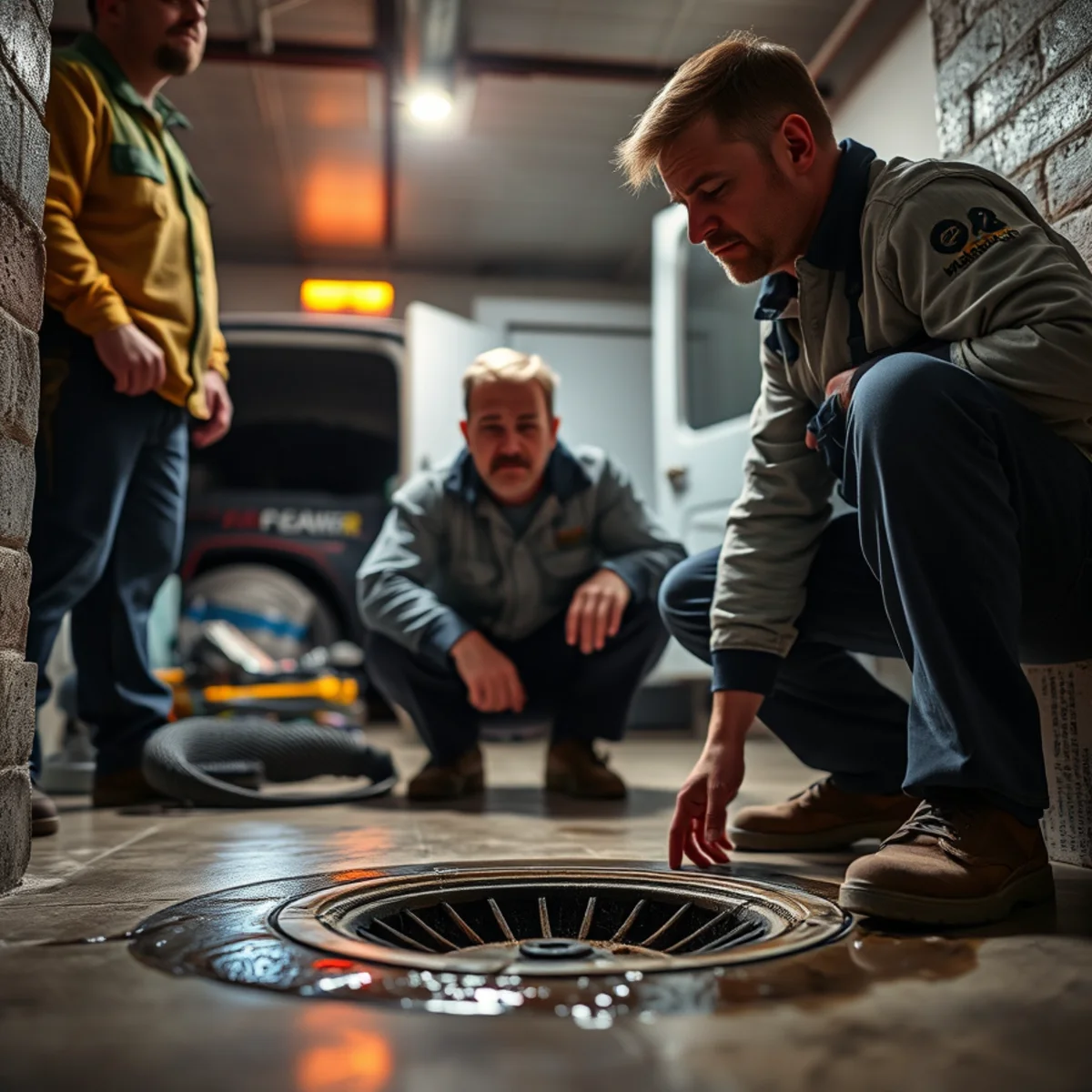
If your basement has sewage backing up right now, here's what to do: stop using water in the house, keep people and pets away from the affected area, document the damage with photos before touching anything, and call for an emergency camera inspection to find the cause. Raw sewage carries bacteria, viruses, and parasites, so the first 30 minutes are about safety and evidence, not scrubbing floors.
If you're dealing with this right now in Warren or Roseville, here's exactly what to do, in order.
The First 30 Minutes: A Safety Checklist
Do this before anything else
- Stop using water in the house — no laundry, dishwasher, showers, or toilet flushes, which can add more water to an already backed-up line
- Keep everyone, especially kids and pets, away from the affected area — sewage contact can cause illness
- Ventilate the space if you can do so safely, opening windows or a basement door
- Turn off electrical breakers to any outlets or equipment sitting in or near standing water, but only if you can reach the panel without stepping through water
- Document everything before cleanup begins — photos and video of the water level, affected belongings, and visible damage
- Contact your insurance company to report the incident and ask about next steps for your specific policy
- Call a sewer inspection company for an emergency camera inspection to find the cause
Why You Shouldn't Start Cleanup Right Away
It's tempting to start mopping up immediately, but insurance adjusters rely heavily on photo and video evidence taken before remediation starts. Once water is removed and items are discarded, it's much harder to substantiate the extent of a claim. Take thorough photos and a walkthrough video first, save any damaged item receipts you can find, and keep a written timeline of when you noticed the backup and what you observed.
This documentation also matters for a related question many homeowners face afterward — whether the damage is covered at all. That depends on your specific policy and endorsements, which we cover in detail in our guide to homeowners insurance and sewer backups in Michigan.
It also helps to note the timeline as you go: when you first noticed water or odor, when it stopped rising, and roughly how long standing water was present. Adjusters and restoration crews often ask for these details, and they're much easier to recall accurately in the moment than days later once the stress of cleanup has taken over.
Finding the Cause: Why a Camera Inspection Comes Next
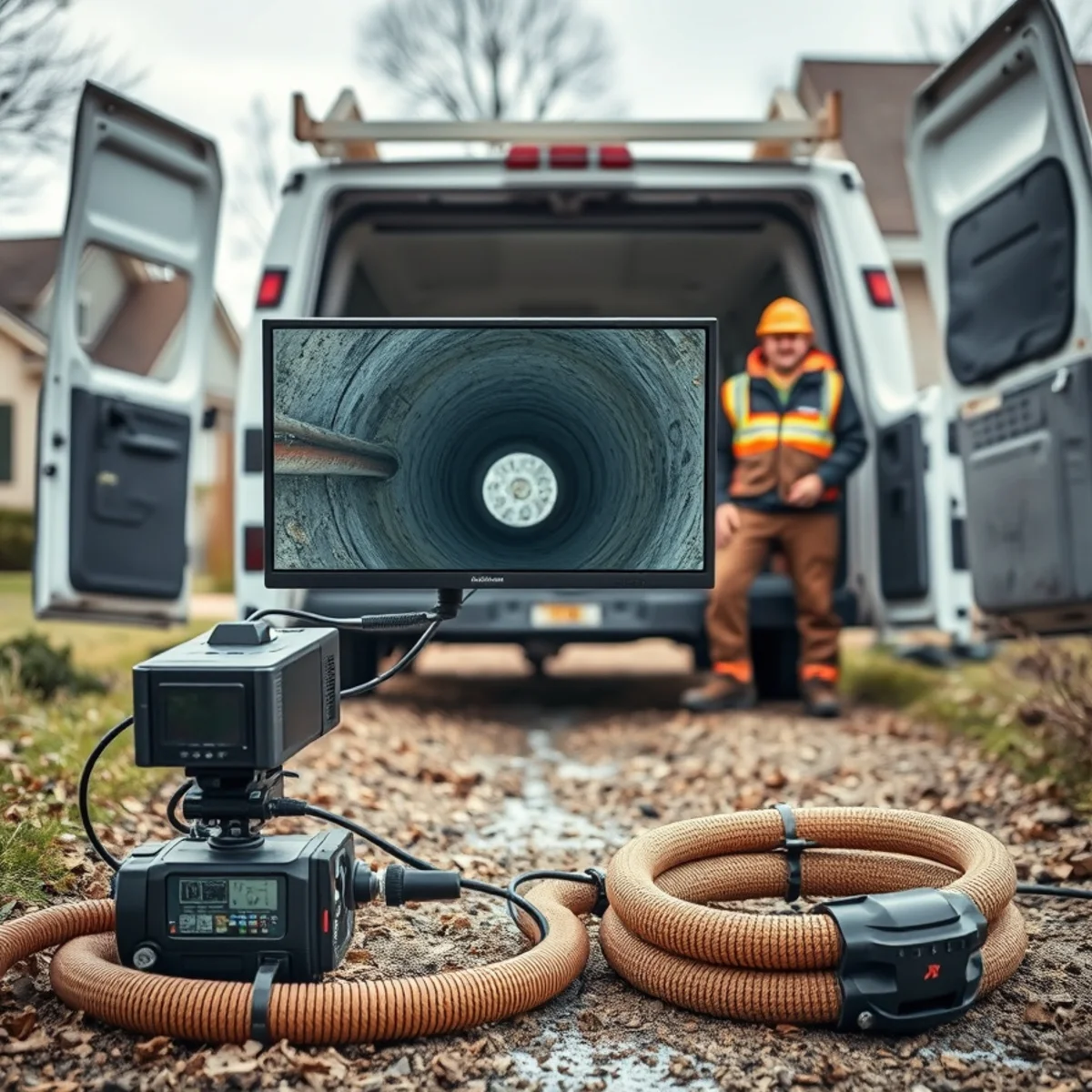
Once the immediate hazard is addressed, the next step is figuring out why the backup happened — because cleanup without a diagnosis just sets you up for a repeat. An emergency sewer camera inspection sends a camera through the line to identify blockages, root intrusion, a collapsed section, or a municipal main issue. For basements specifically, a basement backup inspection is built around tracing the backup to its source, whether that's the home's own lateral or a problem further down the line.
This is also the point where you find out whether the problem is isolated to your property or affecting the street — information that changes who's responsible for the fix. If the camera shows the issue starts at or beyond the connection to the municipal main, that portion typically falls under the local water and sewer department's responsibility rather than the homeowner's, which can significantly change your out-of-pocket cost.
Common Causes of Basement Backups in Warren and Roseville
Both communities have older housing stock with aging clay and cast-iron laterals, and flat terrain that doesn't always drain quickly during heavy rain. Common culprits we see on camera inspections in these areas include tree root intrusion into cracked joints, sagging or "bellied" pipe sections that collect debris, and municipal main backups during high-volume storm events that push flow back toward low-lying basement drains.
It's also common for more than one factor to be at play — a partially root-choked line that normally drains fine suddenly can't keep up once a heavy storm adds volume on top of an already-reduced flow. That's why a sewer clog & blockage inspection matters even after a backup seems to clear on its own: the underlying restriction is often still there, waiting for the next storm to push it past capacity again.
Sewage Backup vs. Groundwater Seepage: How to Tell the Difference
Not all basement water is a sewer backup, and telling the two apart changes what you do next. Groundwater seepage — common after heavy rain in low-lying parts of Macomb County, including areas that saw significant flooding during the 2021 storms — typically shows up as water along the floor perimeter or through foundation cracks, without odor, and often on more than one wall. A sewer backup, by contrast, usually comes up through a floor drain, toilet, or basement fixture, carries a distinct sewage odor, and may contain visible waste or toilet paper.
Signs you're dealing with sewage, not clean water
- Water is rising from a floor drain, shower, or toilet rather than seeping in along walls or the floor perimeter
- There's a sewage smell, not a musty or earthy one
- Visible waste, toilet paper, or dark gray/black water is present
- The water appeared suddenly and is connected to using a toilet, running a washing machine, or a neighbor's reported backup
If you're not sure which you're dealing with, treat it as a sewage event until proven otherwise — the health precautions matter more if you're wrong in the cautious direction. A camera inspection settles the question either way, since it can confirm whether the sewer line itself is contributing to the water in your basement.
What to Expect When You Call for an Emergency Inspection
Knowing what happens after you dial can make the wait less stressful. When you call, be ready to describe what you're seeing — where the water is coming from, whether it has an odor, and roughly how long it's been happening. Emergency calls are prioritized ahead of routine scheduling, and a technician will typically ask a few quick questions to gauge severity before dispatching. On arrival, the first step is usually locating the nearest accessible cleanout or fixture to insert the camera, followed by running the line to identify the blockage, root intrusion, or structural issue causing the backup. You'll get to see the footage and get a plain-language explanation of what caused it and what the next step should be — whether that's a plumber for clearing, a repair estimate, or a call to the local water department if the issue traces back to the municipal main.
Worked Example: A Backup After a Summer Storm in Eastpointe
Say you live in Eastpointe and a heavy summer storm rolls through overnight. By morning, your basement floor drain is backing up with sewage, and it's not the first time this has happened during a big rain event. That pattern — backups that show up specifically during heavy storms — points toward the municipal system surcharging under storm volume rather than a problem isolated to your own lateral, though the only way to know for certain is a camera inspection tracing the line to the connection point. If the camera confirms your own pipe is clear and the backup is happening at the main, that's valuable information both for your insurance conversation and for deciding whether a backwater valve is worth installing to protect your home the next time it storms.
What Not to Do During a Backup
- Don't run a wet/dry vac or start bulk cleanup before documenting the damage — you may need that evidence later
- Don't flush toilets or run additional water "to see if it clears" — this often makes the backup worse
- Don't ignore a sump pump that's also struggling; a failing sump pump combined with a sewer backup can compound flooding quickly
- Don't assume a one-time snake job means the problem is solved if this isn't the first time it's happened
Step by Step: Documenting Damage the Way Adjusters Actually Use It
The checklist above says to document everything, but the order and detail matter more than most homeowners realize in the moment. A little structure here makes a real difference to how smoothly a claim moves later.
- Shoot a slow walkthrough video first, narrating out loud what you're seeing and roughly how deep the water is
- Take still photos of the water line on walls, baseboards, and furniture legs — these show the extent even after water recedes
- Photograph the specific fixture or drain the water is coming from, since this matters for identifying the cause
- Separately photograph any damaged personal items before moving or discarding them, ideally with a visible date/time stamp
- Save the video and photos in at least two places (phone plus cloud backup or email to yourself) before cleanup begins
A Second Scenario: A Shared-Line Backup in Madison Heights
Not every backup is a simple homeowner-vs-municipal-main question. Say you own a townhome in Madison Heights that shares a single lateral connection with two neighboring units before it ties into the street. When sewage backs up into your basement, it's not immediately clear whether the blockage is in your section of the line, a neighbor's, or the shared portion past where the pipes join. This is exactly the kind of situation where a camera inspection earns its cost fast — running the line identifies precisely which segment has the blockage, which then determines whether it's your repair bill alone, a shared cost with the HOA or neighboring owners, or a municipal responsibility. Without that footage, a dispute over who pays can drag on far longer than the actual repair would take.
What to Ask the Emergency Inspection Company
Questions worth asking when you call
- How quickly can someone actually get here, and is that time firm or an estimate?
- Will I get to see the footage live, or just a summary afterward?
- Can you tell from the footage whether this is my line or a shared/municipal issue?
- Do you provide a written report same-day that I can send to my insurance company?
- If the line needs cleaning before you can fully diagnose it, is that priced separately or included?
Myths vs. Facts About Basement Backups
- Myth: if the water recedes on its own, the problem is solved. Fact: water receding usually just means the blockage partially cleared or the storm surge passed — the underlying restriction is often still there.
- Myth: a finished basement makes a backup less likely. Fact: finishing has no effect on the pipe underground; it only makes cleanup more expensive when a backup does happen.
- Myth: running more water will help "flush it through." Fact: adding water to an already-struggling line usually raises the water level in your home instead of clearing anything.
- Myth: if my neighbors haven't had a backup, mine must be an isolated fluke. Fact: an individual home's lateral can fail independently of the shared municipal main, so a neighbor's clean history doesn't rule out a problem specific to your line.
Winter Backups: A Different Seasonal Pattern Near Lake St. Clair
Storm-driven backups get the most attention, but Michigan winters create a quieter version of the same problem. In communities near Clinton Township and along the Lake St. Clair shoreline, a naturally high water table can push groundwater against aging pipe joints even when there's no rain at all, and freeze-thaw cycling through late winter shifts soil around laterals that have sat undisturbed for decades. We cover this dynamic in more detail in our guide to high water table backup risk near Lake St. Clair — the short version is that a backup showing up in February with no storm to blame isn't unusual in this region, and it points toward the same kind of camera inspection as a summer storm event would.
Next Steps: Related Decisions After a Backup
Once the immediate emergency is handled, a few related questions usually come up. If this is a recurring issue rather than a one-time event, our guide to what to do about a main sewer line clog covers the diagnostic path for a partial blockage that keeps coming back. If you're unsure whether your policy will help cover the cleanup, our breakdown of homeowners insurance and sewer backups in Michigan explains what a backup endorsement typically does and doesn't include. And if you haven't had a baseline sewer camera inspection done since you bought the home, this is a natural time to schedule one — it's the same equipment used for the emergency call, just on your schedule instead of at 9 p.m. during a crisis.
Preventing the Next Backup
Once the current issue is diagnosed and resolved, ask about a backwater valve if your home doesn't already have one — it's one of the most effective ways to prevent a repeat backup from municipal surcharging. Scheduling a routine camera inspection every few years also catches root intrusion and pipe deterioration before it turns into another emergency call.
If sewage is actively backing up into your home right now, don't wait — call (614) 830-0578 for an emergency inspection and a free quote. We can typically get a camera in the line quickly to identify the cause and get you toward a fix.
Need a sewer camera inspection?
Same-day appointments across Sterling Heights, Macomb County & Metro Detroit. Free quote, no obligation.