Emergency
Main Sewer Line Clog: How to Tell, and What to Do About It
Learn the difference between a main sewer line clog and a single branch clog, and why recurring blockages need a camera inspection rather than just a snake.
By Sewer Inspects · Updated February 15, 2026 · 13 min read
Not every clogged drain is the same problem. A single slow sink is usually a localized, easy fix. But when multiple fixtures back up at once, or a plunger and a bottle of drain cleaner don't touch the problem, you're likely dealing with a main sewer line clog — and that changes what needs to happen next.
If you're in Clinton Township or Utica and seeing these symptoms, here's how to tell what you're dealing with and why the fix is different from a typical clogged drain.
Signs You Have a Main-Line Clog, Not a Branch Clog
A branch clog affects one fixture or one line — say, just the kitchen sink. A main-line clog sits further downstream, in the pipe that carries wastewater from the entire house, which means it affects everything at once. Look for:
- Multiple drains backing up around the same time — toilets, tubs, and sinks on different floors
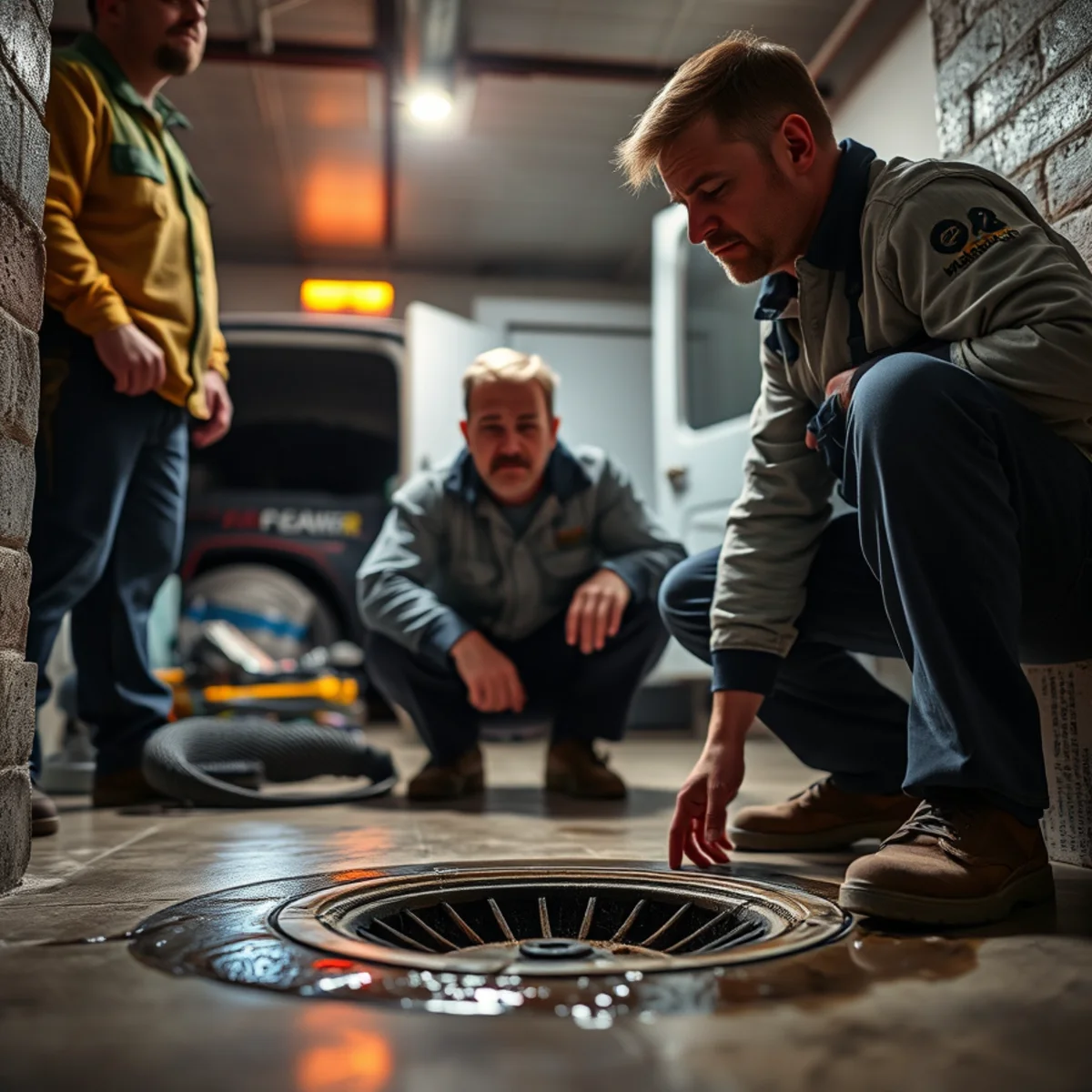
- Water backing up into a lower-level fixture (like a basement floor drain) when you run water upstairs
- Gurgling sounds from drains or toilets when other fixtures are used
- Toilets that flush slowly or incompletely across the house, not just one bathroom
- Recurring backups shortly after you thought the problem was cleared
If you're only seeing an issue with one specific drain and nothing else in the house is affected, you're more likely dealing with a localized branch clog — still worth addressing, but a different scope of problem.
Why Snaking Alone Doesn't Fix Recurring Clogs
A snake or auger is effective at breaking through a blockage and restoring flow, but it doesn't tell you why the clog formed in the first place. If the underlying cause is a root mass growing into a cracked joint, a bellied section of pipe collecting debris, or a partially collapsed line, the snake clears the immediate obstruction and the same problem returns within weeks or months — often at increasing frequency as the underlying issue worsens.
This is the pattern that should push you toward diagnosis instead of repeated reactive snaking: if you've called a plumber for the same clog more than once, it's time to find out why. The most common mistake we see homeowners make is treating the second or third snaking as "the one that finally worked," when in reality the underlying defect never went anywhere — it just got pushed past the camera's view for a few weeks until debris or roots rebuild enough mass to block flow again.
What a Camera Inspection Reveals
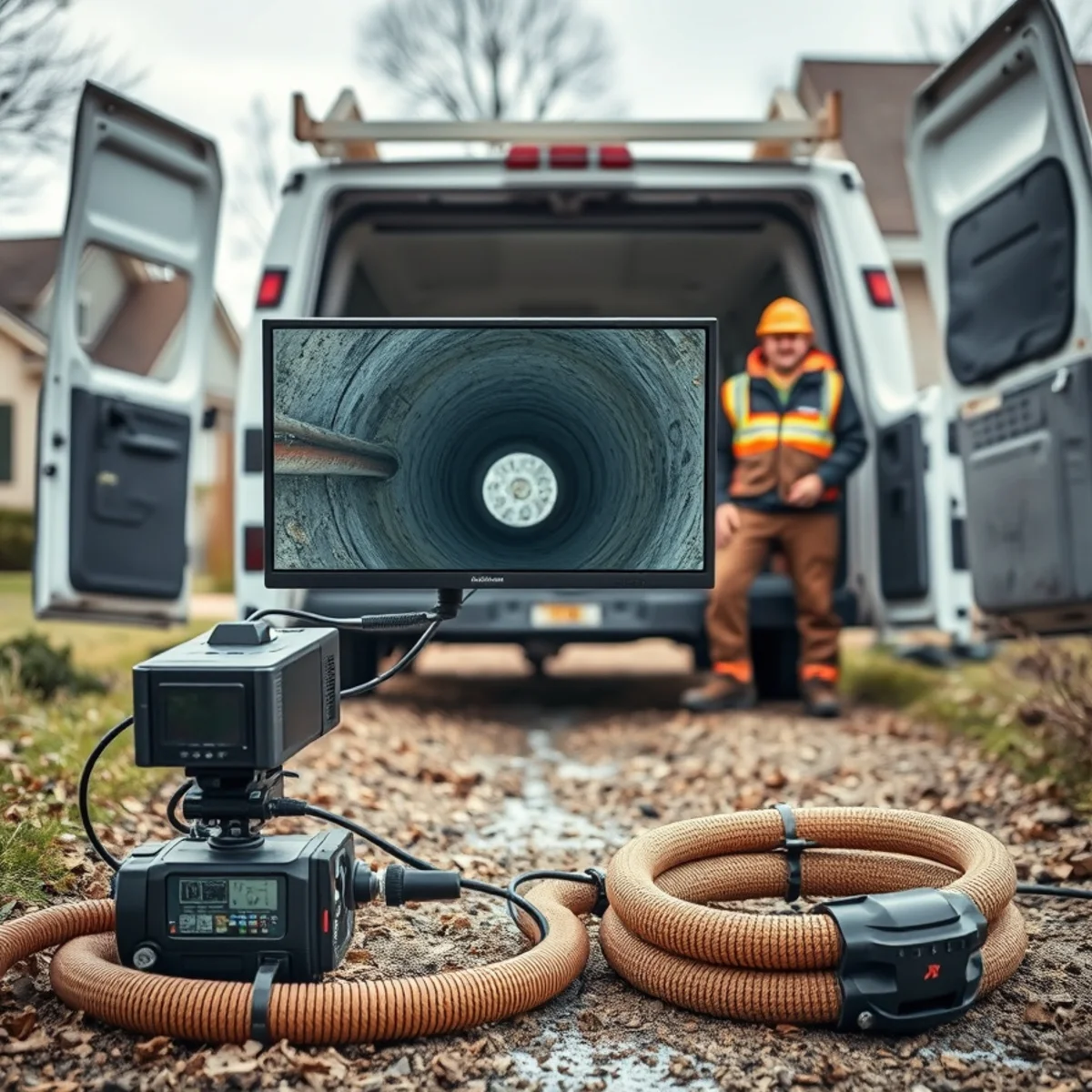
A sewer clog and blockage inspection sends a camera through the line after (or sometimes during) clearing, giving you a direct, recorded look at the actual condition of the pipe. That footage shows whether you're dealing with root intrusion, grease and debris buildup, a structural defect, or simply an isolated object stuck in the line — and each of those has a different fix, ranging from routine cleaning to a targeted point repair. A full sewer camera inspection also documents pipe material and the approximate footage of any defect, so if a repair is needed, the excavation is targeted instead of a guess.
Without that information, you're paying to treat symptoms indefinitely instead of solving the actual problem once.
What It Typically Costs, Depending on the Cause
Cost is one of the first questions homeowners ask, and it genuinely depends on what the camera finds. As a general reference point, local camera inspections run roughly $200–$500, while the cost of clearing or repairing a lateral tends to scale with how much of the line is affected:
- A short section of root intrusion or an isolated object — often resolved with jetting or a targeted spot repair, generally the least expensive outcome
- A longer run of grease buildup or several offset joints — may call for a full jetting cleanout or a longer trenchless lining section
- A collapsed segment or extensive structural damage — usually the most involved repair, since it typically requires excavation to replace that portion of pipe
These are general ranges, not a quote for your specific line — the only way to know which category applies is to see the footage.
Local Notes: Clinton Township and Utica
Both communities have a mix of housing ages, and older sections of Clinton Township and Utica in particular have laterals old enough to be at higher risk for root intrusion and joint separation. We frequently find that homeowners in these areas have had a plumber snake the same line two or three times over a year or two before finally getting a camera inspection that reveals the actual cause.
Other Causes Behind a Main-Line Clog
Roots and structural defects are common, but they're not the only culprits. Grease and soap buildup accumulated over years can gradually narrow a pipe's interior diameter until normal flow can't get through. "Flushable" wipes, paper towels, and feminine hygiene products are another frequent cause, since they don't break down the way toilet paper does and can snag on a rough joint or minor offset, building into a larger blockage over time. Tree roots deserve their own mention here — a tree root intrusion inspection is one of our most requested follow-ups after a recurring clog, since a root mass can look like simple debris on a quick snake but is actually a growing structural problem. In some cases, the clog isn't in your lateral at all — a blockage or capacity issue in the municipal main itself can back flow up into multiple homes on the same street at once, which is worth mentioning to neighbors if you're all experiencing symptoms simultaneously.
Preventing Future Main-Line Clogs
Once a line has been cleared and inspected, a few habits reduce the odds of a repeat: avoid flushing anything other than toilet paper and human waste, dispose of cooking grease in the trash rather than down the sink, and consider a routine camera inspection every couple of years if your home has a known history of root intrusion. Catching new root growth or early buildup during a routine check is far less disruptive than waiting for the next full backup.
Common Mistakes That Make a Main-Line Clog Worse
A few habits we see over and over actually make the underlying problem harder to diagnose, or worse, harder to fix once it's finally addressed.
- Pouring chemical drain cleaner down a main-line clog repeatedly — it rarely reaches a blockage that far down the line, and repeated use can degrade older pipe and obscure what a camera later finds
- Assuming a floor drain backup is unrelated to the upstairs plumbing — in a main-line clog, the floor drain is often the first place wastewater surfaces because it's the lowest point in the system
- Treating a successful snake as proof the problem is solved — restored flow tells you the blockage moved, not that the cause is gone
- Waiting through a second or third backup before calling for a camera — each repeat cycle gives roots or debris more time to rebuild, and raises the odds of a backup reaching a finished basement
A Worked Example: 1970s Ranch in Sterling Heights
Say you own a 1970s ranch in Sterling Heights. Twice in the past year, the kitchen sink and the basement floor drain backed up within a day of each other. Both times, a plumber snaked the line, flow came back, and the invoice said "cleared." Three months later, it happens again — same pattern, same two fixtures.
That repeat pattern is the tell. A camera run through the cleanout this time finds a root mass at a joint roughly 40 feet out, where a mature tree in the parkway has been growing toward the line for years. Because the defect is isolated to one joint rather than spread across the whole run, the fix is a spot repair rather than a full replacement — closer to the lower end of the typical length-tier pricing (roughly $225–$500 for a shorter, more localized job) than the $975–$1,900 range a longer or more extensive repair can reach. Had the same homeowner waited through a fourth or fifth backup, the root mass would likely have grown enough to compromise the joint further, pushing the repair into that longer, more expensive category.
The only thing that changed between the two outcomes is when the camera went in — not the underlying problem, which was there the entire time.
When a Main-Line Clog Becomes an Emergency
Most main-line clogs are urgent but not dangerous — you have a day or two to get it looked at. A smaller number of cases need same-day attention.
Call right away if you're seeing
- Sewage backing up into a finished basement or other living space
- Multiple toilets that won't flush at all, not just slowly
- Water backing up from a floor drain every time any other fixture runs
- A sewage odor that's gotten noticeably stronger in the last few hours
In those situations, an emergency sewer camera inspection gets a technician on-site faster than a standard appointment, and if sewage has already reached a finished space, a basement backup inspection documents the extent of the intrusion at the same time — useful both for remediation planning and for any insurance conversation that follows.
Step-by-Step: What Happens During a Main-Line Camera Inspection
If you've never had one done before, knowing what actually happens on-site makes the decision easier.
- A technician locates the nearest cleanout, or if none exists, accesses the line through a fixture connection or roof vent
- A self-leveling camera head feeds through the line on a distance-counted cable, recording continuous video the entire way
- The footage is reviewed in real time, noting the location and depth of any clog, root mass, or structural defect using an on-camera locator signal
- You get a walkthrough of what the camera found, in plain language, before any repair is recommended
- If a repair is needed, the footage and locate data go into a report so any digging targets the actual defect instead of a guess
A Second Worked Example: 1960s Cape Cod in Warren
Not every recurring main-line clog is roots. Consider a 1960s Cape Cod in Warren where the kitchen sink and a laundry stack backed up three times in eighteen months. Each time, a plumber snaked the line and the household assumed it was resolved — no odor, no sinkhole, nothing dramatic.
A camera inspection found something different from the typical joint-and-root pattern: a section of cast-iron stub near the foundation had corroded enough that the interior diameter had narrowed by more than half, trapping grease and debris even after each snaking cleared the immediate blockage. Because the narrowing ran along several feet of pipe rather than sitting at one joint, this wasn't a candidate for a simple spot repair — it needed a longer trenchless lining pass, landing the job in the $500–$975 length tier rather than the smaller point-repair range.
The lesson here is different from the root-intrusion case above: a main-line clog with no smell, no yard sign, and no visible symptom beyond the backup itself can still be a structural issue. Recurrence, not the presence of other warning signs, is what should send you toward a sewer clog and blockage inspection rather than another round of snaking.
What to Ask Before You Hire Anyone to Clear a Main-Line Clog
Whether you're calling a plumber or an inspection company, a few questions up front can save you from paying twice for the same problem.
Questions worth asking
- Will you show me video of the inside of the line, or just tell me it's cleared?
- Can you tell me why this clog formed, not just that it's gone?
- Is the blockage isolated to one spot, or does it run along a longer section?
- What pipe material am I dealing with, and does that change how you'd recommend fixing it?
- If this comes back, does a follow-up inspection cost extra, or is it part of the same diagnosis?
Myths vs. Facts About Main-Line Clogs
- Myth: A clog that clears with a snake means the pipe is fine. Fact: Snaking restores flow — it doesn't tell you why the blockage formed. A camera is the only way to confirm the pipe itself is sound.
- Myth: Only very old homes get main-line clogs. Fact: Newer PVC laterals rarely fail structurally, but they can still clog from grease, wipes, or a poorly graded section installed during construction.
- Myth: If there's no smell or yard damage, it's not a structural problem. Fact: A clog can be purely internal — corrosion or grease narrowing — with zero outside symptoms until the backup itself happens.
- Myth: A pricier plumber automatically means a better diagnosis. Fact: Price doesn't guarantee a camera gets used. Ask directly whether video inspection is part of the visit before you book.
Spring Thaw and High Water Tables Across Macomb County
Main-line clogs cluster seasonally, and Metro Detroit's spring thaw is one of the busiest stretches of the year for exactly this reason. As frozen ground thaws from March into April, saturated clay soil across Fraser and neighboring Macomb County communities shifts and settles around buried laterals, nudging already-marginal joints just far enough out of alignment to trap debris that would otherwise pass through.
High water tables near the Clinton River watershed compound the problem: saturated soil around a lateral adds pressure at every joint, and a line that's been slowly narrowing all winter from grease or root growth is more likely to fully block once spring runoff adds volume to the system. If your home has backed up in March or April in past years, that timing isn't a coincidence — it's worth scheduling a camera inspection in late winter, before the thaw, rather than waiting for the seasonal backup to happen again.
Related Decisions Once the Clog Is Cleared
Clearing today's clog is only half the decision. If the backup already reached a finished space, our guide on what to do about a sewer backup in the basement covers cleanup and documentation. If you're weighing whether a repair is worth it against your home's overall condition, warning signs of sewer line failure helps you judge whether this clog is an isolated event or part of a bigger pattern. And if cost is the main question before you commit to anything, our sewer camera inspection cost guide for Metro Detroit breaks down what drives price up or down.
When to Stop Snaking and Start Diagnosing
If this is your first clog, snaking it clear is a reasonable first step. If it's your second or third time dealing with the same symptoms, skip straight to a camera inspection — it will save you money over continuing to pay for temporary fixes. Call (614) 830-0578 for a free quote and we can typically get a camera in the line the same week.
Need a sewer camera inspection?
Same-day appointments across Sterling Heights, Macomb County & Metro Detroit. Free quote, no obligation.