Local-specific
Buying an Older Home in Macomb County? Get the Sewer Line Inspected First
Older homes in Mount Clemens and Rochester often have clay, cast-iron, or Orangeburg sewer laterals nearing the end of their service life. Here's what to check before you buy.
By Sewer Inspects · Updated February 15, 2026 · 13 min read
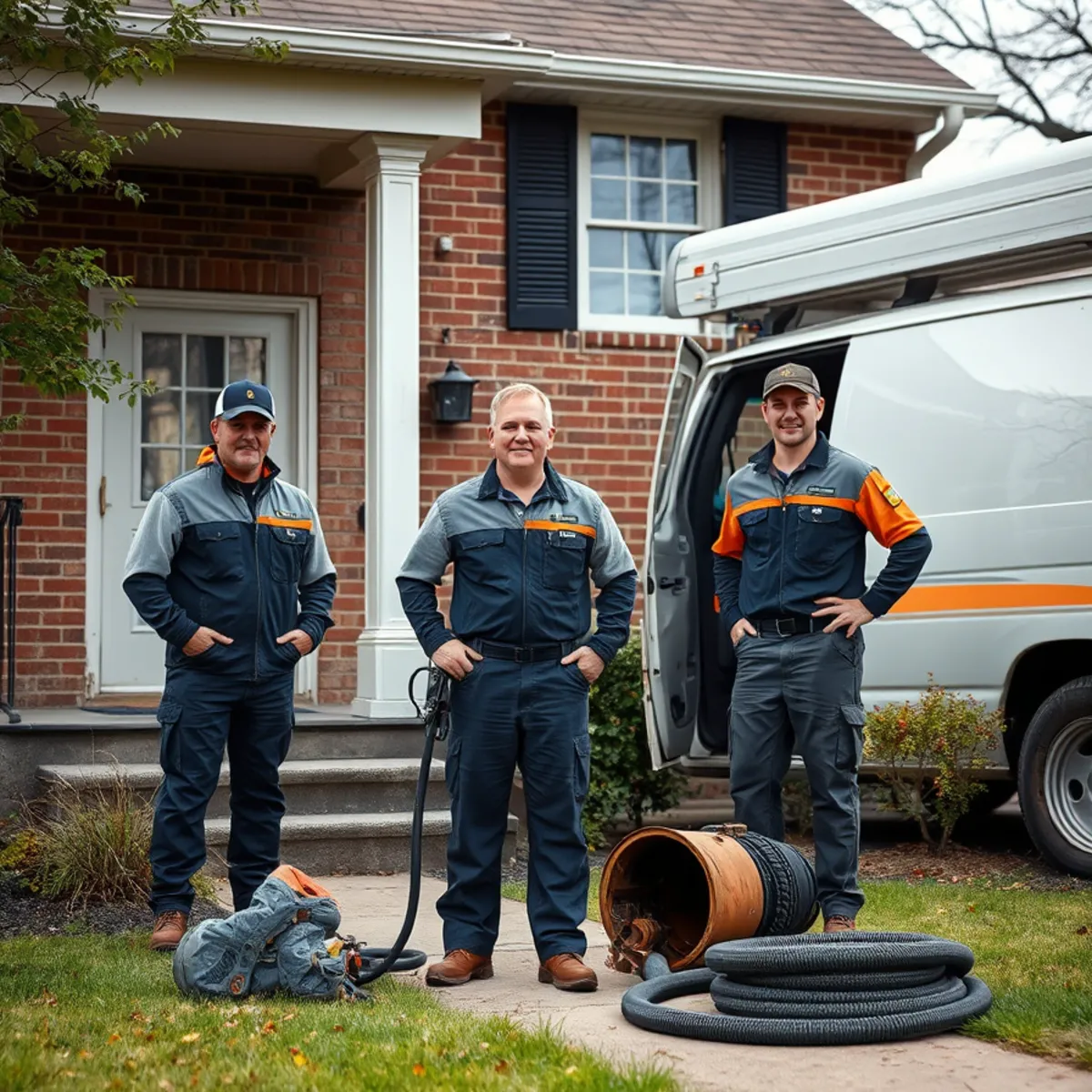
If you're buying an older home in Macomb County, get the sewer lateral inspected before closing — homes from historic streets in Mount Clemens to established neighborhoods in Rochester often still run on original clay, cast-iron, or Orangeburg pipe that's nearing or past the end of its service life. A problem invisible from inside the house can turn into a five-figure repair once it becomes yours.
If you're under contract on an older home in the area, a pre-purchase sewer inspection is one of the highest-value, lowest-cost steps you can take before closing. Here's what's actually at stake.
Common Lateral Materials in Older Macomb County Homes
Depending on when a home was built, the underground pipe connecting it to the city main could be one of several materials, each with its own failure pattern:
- Clay pipe — common in homes from the early-to-mid 20th century; durable but prone to cracking at joints and highly susceptible to root intrusion
- Cast iron — common through the mid-20th century; can corrode and develop scale buildup or interior pitting over decades
- Orangeburg — a bituminous fiber pipe used roughly from the 1940s through the 1970s, known for deforming, blistering, and collapsing as it ages
- Early PVC — generally more durable, but joint quality and installation practices from early adoption years can still create weak points
Why Orangeburg Pipe Is a Particular Red Flag
Orangeburg pipe was inexpensive and easy to install, which made it popular for decades — but it was never meant to last as long as clay or cast iron. Made from layers of wood pulp and pitch, it gradually absorbs moisture, loses its round shape, and can flatten or collapse entirely, sometimes with almost no warning signs from inside the house. If a seller's disclosure mentions the home's age puts it in the Orangeburg era, or if you simply don't know what material is down there, a scope inspection isn't optional — it's essential.
What to Scope Before Closing
Before you remove your inspection contingency
- Confirm the pipe material along the entire run, not just near the house
- Check for bellies, offsets, or cracked joints that indicate settling or age-related failure
- Look for root intrusion, especially in yards with mature trees
- Verify the connection point to the municipal main is intact and accessible
- Get a copy of the recorded video and written report for your records
Local Notes: Mount Clemens and Rochester
Mount Clemens' historic core includes some of the oldest housing stock in the county, which means a higher likelihood of original clay or early cast-iron laterals that have never been replaced. Rochester's older neighborhoods share a similar profile, often combined with large, established trees whose root systems have had decades to find their way into aging pipe joints. In both communities, we regularly find sewer conditions during pre-purchase scopes that were completely invisible from inside the home.
How Long These Older Materials Typically Last
There's no exact expiration date for any pipe material, since actual lifespan depends on soil conditions, installation quality, and tree proximity, but general patterns hold up across the industry. Clay pipe can last many decades when joints stay intact, but is highly vulnerable once roots find a way in. Cast iron typically holds up structurally longer but can suffer interior corrosion and scale buildup that narrows the effective diameter of the pipe over time. Orangeburg is the outlier — even a well-installed section is working against the physical breakdown of its own material, which is why age alone is often reason enough to prioritize an inspection regardless of visible symptoms.
How the Inspection Process Works for Buyers
A sewer scope inspection for a home purchase is a non-invasive process: a technician feeds a waterproof camera through an existing cleanout or accessible fixture and records the entire run to the municipal connection or septic tank. If the older home doesn't have an obvious cleanout — common in houses built before cleanouts were standard practice — a drain camera inspection can often still be run from an interior fixture like a floor drain or toilet flange, which is worth confirming when you schedule so the appointment isn't delayed on inspection day.
Most residential scopes for a real estate transaction take under an hour once the crew is on site, and you'll walk away with recorded footage plus a written summary you can hand directly to your agent, your plumber, or the seller. Because timelines during a home purchase are usually tight, it's worth calling as soon as your offer is accepted rather than waiting until the final days of your inspection contingency.
Material-by-Material: What Repair Typically Involves
Once a scope identifies the pipe material and its condition, the repair path looks different depending on what's down there. Knowing the general options ahead of time helps you interpret a repair estimate instead of taking a single number at face value.
Typical repair approach by material
- Clay pipe — an isolated cracked joint or root intrusion point is often addressed with a spot repair or trenchless lining if the rest of the run is sound; widespread cracking usually points toward full replacement
- Cast iron — interior corrosion and scale buildup can sometimes be addressed with descaling and lining if the pipe walls are still structurally intact, but advanced corrosion typically means replacement
- Orangeburg — because the material itself is degrading rather than failing at a single point, full replacement of the affected section is the near-universal recommendation rather than a spot repair
- Early PVC — usually the most straightforward, since problems tend to be isolated to a specific joint or connection rather than the pipe material itself
For any repair that involves excavation, a follow-up sewer line locating visit marks the exact depth and path of the pipe before anyone digs, which keeps the repair crew from guessing and helps protect other utility lines running through the same yard.
Worked Example: A 1958 Cape Cod in Warren
Say you're under contract on a 1958 Cape Cod in Warren with original cast-iron plumbing and no record of the lateral ever being replaced. The seller's disclosure doesn't mention any sewer issues, and the home shows no obvious symptoms — drains run fine, no odors, no history of backups mentioned. That's precisely the situation where a scope inspection earns its cost: a technician runs the camera the full length of the lateral and finds moderate interior scaling consistent with the pipe's age, along with one section where roots from a large maple near the property line have started working into a joint. Nothing has failed yet, but you now know exactly what you're buying — a pipe that's serviceable today but likely needs attention within the next several years — and you can factor that into your offer or negotiate a credit rather than discovering it the hard way after closing.
Mistakes Buyers Make With Older Homes
- Assuming a clean general home inspection means the sewer line is fine — a standard inspector doesn't scope underground pipe
- Seeing one section of newer PVC near the house and assuming the whole run was replaced, when older homes often have partial repairs rather than full replacements
- Treating a seller's disclosure silence on sewer issues as proof there's no problem, when most sellers genuinely don't know their own pipe's condition
- Waiting until late in the contingency period to schedule, leaving no time to negotiate if the scope finds something significant
- Skipping the inspection because the home "shows no symptoms," when advanced age alone is often reason enough to check, especially with Orangeburg or original clay in the ground
Budgeting for What You Find
If a scope inspection turns up a genuinely aging or deteriorating lateral, it doesn't have to derail the purchase. Many buyers factor the eventual cost of a lateral replacement into their offer or request a credit at closing, treating it the same way they would an aging roof or an outdated furnace — a known, budgetable expense rather than an unknown risk. What matters most is knowing the condition before you own the problem, not after.
Step by Step: How a Technician Identifies Pipe Material on Camera
One detail buyers often wonder about is how a technician can tell what material is down there just from camera footage, without digging anything up. It comes down to a handful of visual cues built from years of running lines through older housing stock.
- Clay shows as a rough, matte reddish-orange interior, typically in short sections with visible joints every few feet where root intrusion tends to concentrate
- Cast iron shows as a darker, sometimes textured surface, often with visible scale buildup or pitting along the bottom of the pipe where sediment settles
- Orangeburg has a distinctive fibrous, layered look and is prone to visible rippling or an oval (rather than round) cross-section where it's begun to deform
- PVC is smooth, uniform, and typically a consistent white, gray, or tan color with joints that are far less frequent than clay
- Where materials transition — for example, an old clay run with a newer PVC repair section — the technician notes the exact distance where the change occurs, which helps date prior repair work
A Second Scenario: A Collapsing Orangeburg Line in Utica
Compare the Warren cast-iron example above with a more urgent version of the same due-diligence process. Say you're under contract on a 1966 ranch in Utica, and the seller mentions in passing that the home "had some drain work done years ago" without further detail. A scope inspection finds the answer: roughly 35 feet of the original Orangeburg lateral is still in the ground, and one section has already deformed into a visible oval shape with standing water pooling behind it — a sign of a partial collapse in progress rather than a future risk. Unlike the Warren scenario, where the pipe was serviceable with a known timeline, this finding changes the conversation entirely. Instead of budgeting for eventual replacement, the buyer negotiates for the seller to complete a full section replacement before closing, since a fully collapsed Orangeburg line left alone can turn into a sudden backup with little additional warning.
What to Ask Your Agent or the Seller About the Sewer Line
Questions worth raising during negotiations
- Has the sewer lateral ever been inspected, repaired, or replaced, and is there documentation?
- Is there a known cleanout location, or has one never been installed?
- Have there been any past insurance claims related to water or sewage backup at this address?
- Is the home connected to municipal sewer, or was it ever on a septic system that was later converted?
- If a scope finds a problem, is the seller open to a credit, repair, or price adjustment before closing?
Myths vs. Facts About Older Pipe Materials
- Myth: if the home has never had a backup, the pipe must be in good shape. Fact: clay and Orangeburg can deteriorate gradually for years with no interior symptoms until a section finally fails.
- Myth: all older pipe materials fail the same way. Fact: clay typically cracks at joints, cast iron corrodes and scales, and Orangeburg deforms and collapses — each needs a different repair approach.
- Myth: a partial pipe replacement means the whole line is now modern. Fact: many older homes have a shorter PVC repair section spliced into an otherwise original clay or cast-iron run.
- Myth: municipal sewer connection age tells you the lateral's age too. Fact: the lateral is the homeowner's private pipe and can be older or newer than the municipal main it connects to, depending on past repairs.
Freeze-Thaw Season and Aging Clay Joints
Michigan's freeze-thaw cycle is particularly hard on clay pipe joints, which is worth knowing if you're touring homes in late winter or early spring. Soil expands and contracts as it freezes and thaws, and in communities like New Baltimore with a mix of older lakeside cottages and mid-century additions, that seasonal shifting can be enough to widen an already-weak joint that held together fine the rest of the year. We go deeper on this material-specific failure pattern in our guide to clay sewer line failure in Metro Detroit. The practical implication for buyers: a scope done in late winter can sometimes catch a joint issue that wouldn't show any symptoms in a drier, more stable season.
Next Steps: Related Reading Before You Close
If you want to understand realistic pricing before you call for a scope, see our Metro Detroit sewer camera inspection cost guide. If you're weighing whether to add a sewer backup endorsement once you own the home, our article on homeowners insurance and sewer backups in Michigan explains what that coverage typically does and doesn't include. And for the general buyer's process beyond just older homes, our sewer scope inspection guide for home buyers covers what your report should say and when to schedule it in your timeline.
What Happens If the Inspection Finds a Problem
A documented issue doesn't necessarily mean walking away from the purchase — it means you now have leverage. Buyers commonly use scope findings to negotiate a price reduction, request the seller complete repairs before closing, or simply go in with clear eyes about a near-term expense to budget for. What you don't want is to discover the problem after closing, when it becomes entirely your cost and your timeline. Sellers, for their part, are often more receptive to addressing a documented issue during negotiations than they would be to an after-the-fact dispute once the sale has closed.
If you're buying an older home anywhere in Macomb County, get the lateral scoped during your due diligence period. Call (614) 830-0578 for a free quote — we can often schedule quickly to fit tight inspection contingency windows.
Need a sewer camera inspection?
Same-day appointments across Sterling Heights, Macomb County & Metro Detroit. Free quote, no obligation.