Prevention
Sewer Line Maintenance Checklist for Older Homes
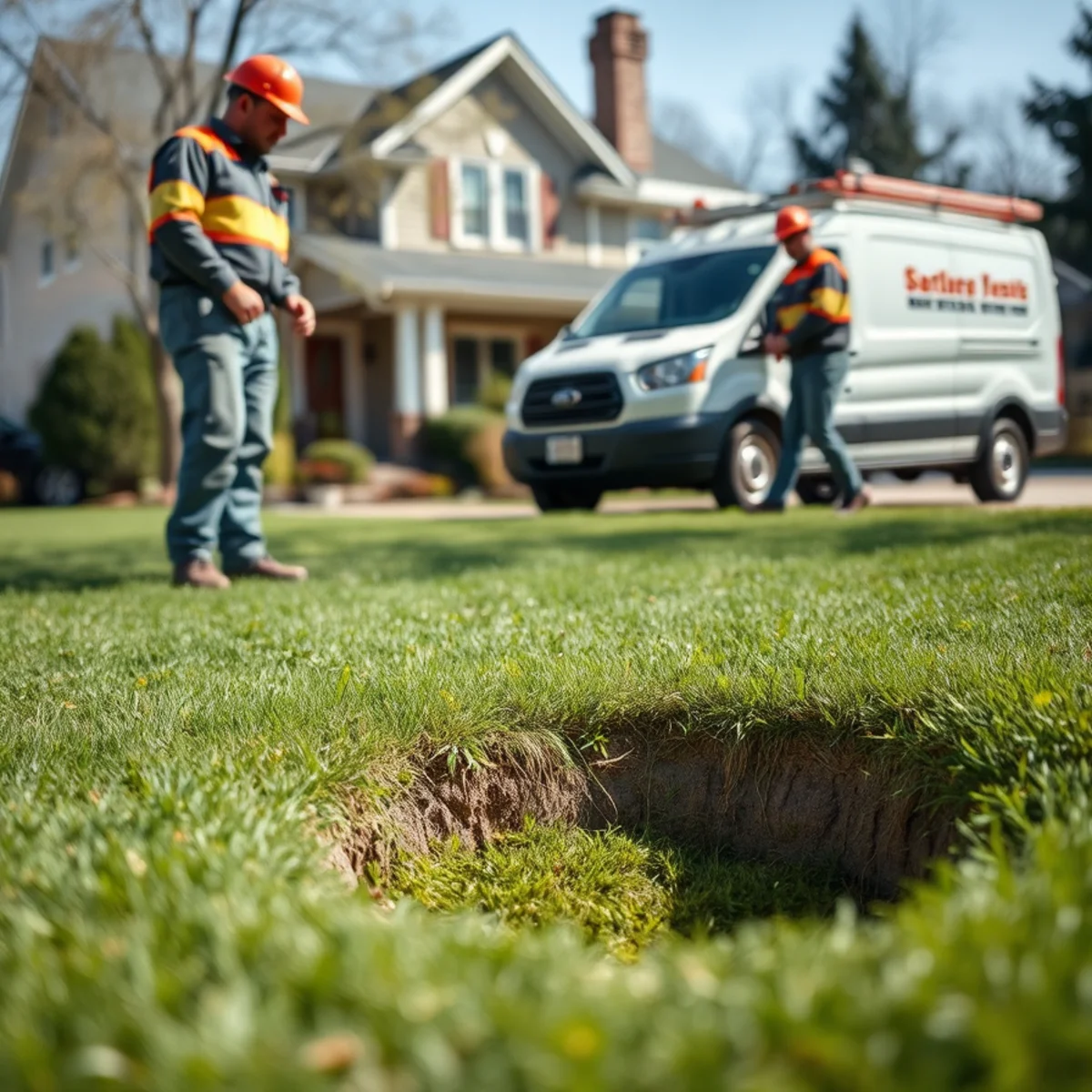
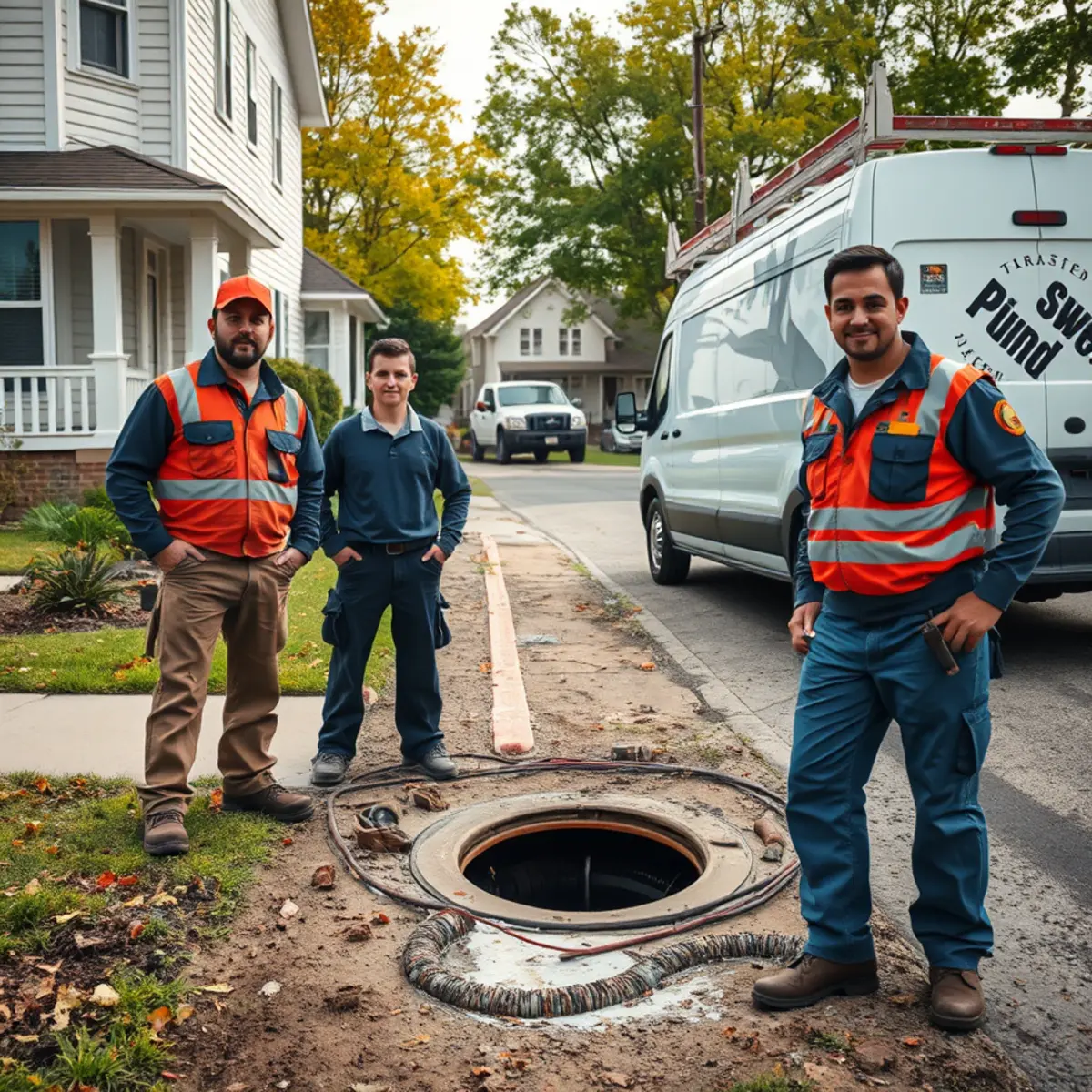
Older homes in Berkley and Clawson carry sewer lines that need more than the occasional plunger. This checklist covers what to avoid flushing, how grease causes damage, and when a camera scope belongs in your routine.
By Sewer Inspects · Updated February 15, 2026 · 14 min read
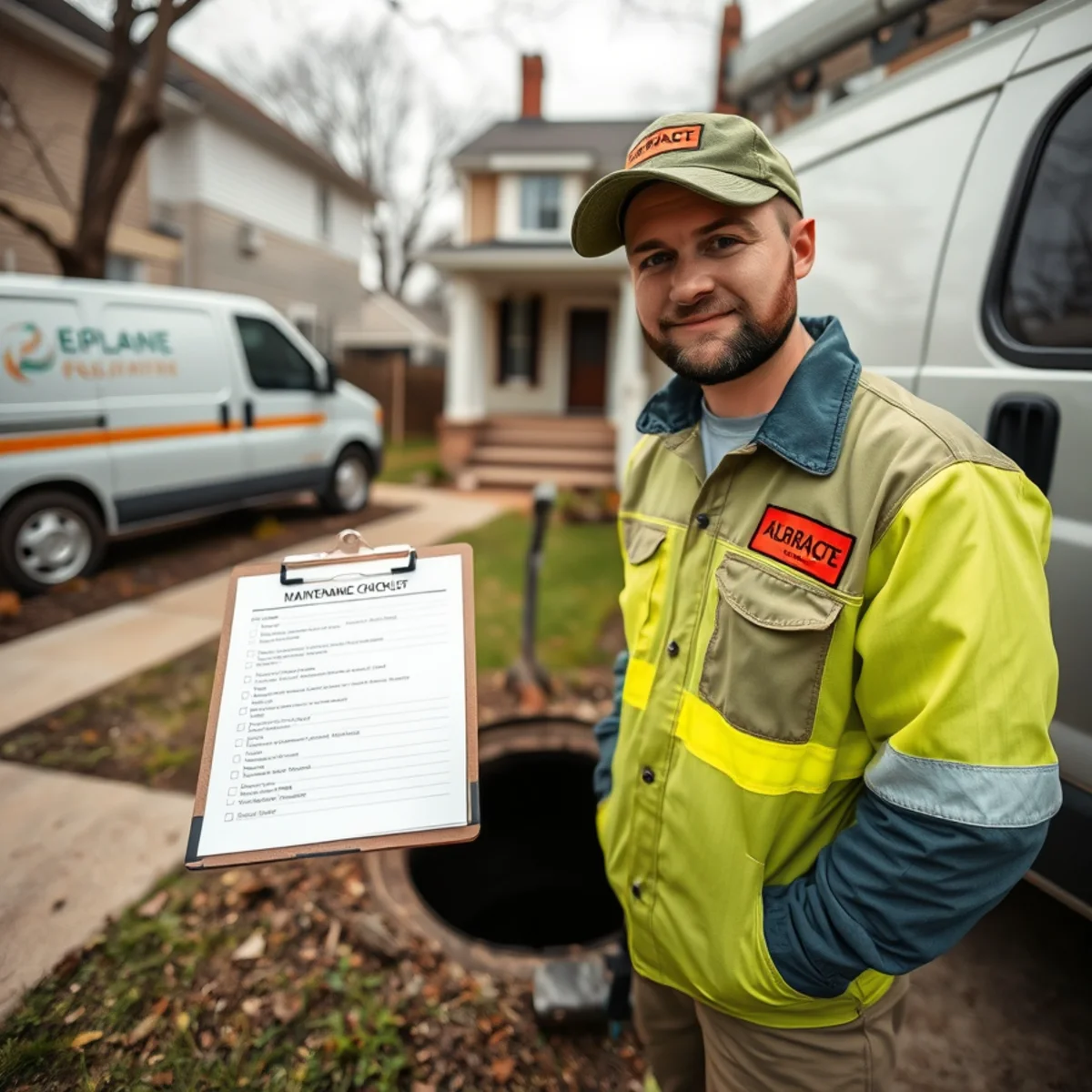
Older homes come with older infrastructure, and nowhere is that more true than the sewer lateral running from the house to the street. In neighborhoods like Berkley and Clawson, where a large share of housing stock dates back to the 1940s through 1960s, the sewer line is often the single most overlooked system in the home — mostly because it's invisible until it isn't.
Good maintenance for an older line isn't complicated, but it does require doing a few things consistently and avoiding a few habits that seem harmless. Here's the checklist we give homeowners after a sewer camera inspection turns up a line that's still in reasonable shape and worth protecting.
What Not to Flush or Drain
Most sewer line damage in older homes isn't caused by a single dramatic event — it's the cumulative result of years of things going down drains that were never designed to handle them. Older clay and cast iron pipes have rougher interior surfaces than modern PVC, which means debris catches and builds up more easily in the first place.
- Wipes of any kind, including ones labeled "flushable" — they don't break down like toilet paper
- Cooking grease and oil poured down kitchen sinks, even with hot water chasing it
- Coffee grounds, eggshells, and fibrous food scraps put down a garbage disposal
- Feminine hygiene products, paper towels, and cotton swabs
- Excess bathroom tissue in a single flush, particularly in homes with known low-flow toilets and older pipe diameters
Why Grease Is a Bigger Problem Than Most Homeowners Think
Grease poured down a drain doesn't stay liquid for long. It cools as it travels through the pipe, coating the interior walls and hardening into a waxy layer that narrows the pipe's usable diameter over time. In an older cast iron or clay line that's already lost some diameter to corrosion or root intrusion, that added grease buildup can be the difference between a slow drain and a full blockage. Once grease builds up enough to trap other debris — wipes, food scraps, hair — a clog can form quickly even in a line that had been draining fine for years. If you're already seeing slow drains across multiple fixtures, a sewer clog and blockage inspection will confirm whether grease buildup is the cause before it becomes a full backup.
Tree Roots: Awareness, Not Just Reaction
Mature trees are one of the best features of older neighborhoods, and also one of the biggest risks to an aging sewer lateral. Roots don't need a crack to find their way in — they're drawn to the moisture and nutrients seeping from even a tiny joint gap, and once a root gets inside, it thickens and branches, eventually filling the pipe. Homeowners can't stop this process just by avoiding certain habits, which is why awareness matters: know where large trees sit relative to your lateral's likely path, and treat any recurring slow drain as a possible sign of root intrusion rather than assuming it's just "an old house thing." A dedicated tree root intrusion inspection is worth scheduling as soon as you suspect roots rather than after they've already caused a backup.
A Slow Drain Is Data, Not a Nuisance
A toilet that gurgles, a tub that drains slower every month, or a basement floor drain that backs up slightly during heavy rain are all early signals worth a camera inspection — not something to wait out.
Periodic Camera Scoping Belongs in the Routine
Everything above reduces risk, but it doesn't replace visual confirmation of the pipe's actual condition. A camera scope is the only way to see whether roots have already gotten in, how much scale has built up on the pipe walls, or whether a joint has started to separate — all things that develop with no visible symptoms at the surface until they're advanced. For homes older than about 50 years, working a camera scope into your maintenance routine every two to three years catches these issues while they're still a targeted repair rather than a full line replacement.
What a Camera Scope Catches That a Drain Snake Doesn't
A lot of older-home maintenance habits still revolve around the drain snake — run one through the line every so often and call it maintenance. A snake is useful for clearing an active clog, but it tells you almost nothing about the pipe itself. It can punch through a mass of roots or grease without ever showing you that the pipe has already lost 30 percent of its diameter to scale buildup, or that the joint the snake just passed through has separated by half an inch and is slowly letting soil into the line. Those are exactly the details a sewer camera inspection documents, with footage location and severity noted so you're not left guessing whether a repair is a year away or five.
The honest tradeoff worth knowing: a camera scope costs more upfront than running a snake through the line, but it's the only method that tells you whether the snake actually solved the underlying problem or just punched a temporary hole through it. We've scoped plenty of older Berkley and Clawson homes where a homeowner had been snaking the same slow drain twice a year for years without knowing a root mass just kept regrowing through the same joint gap — a pattern a five-minute camera pass would have caught the first time.
Material-by-Material: What Older Pipe Needs Differently
"Older home" covers a wide range of pipe materials, and the maintenance habits that matter most aren't identical across all of them. Knowing which material is under your yard changes what you should actually be watching for.
Maintenance Focus by Pipe Material
- Clay (common in homes built through the 1970s): joints are the weak point — root intrusion enters through joint gaps, so tree placement and recurring slow drains near joints deserve the most attention
- Cast iron (common in homes built before the 1960s): internal corrosion is the main threat — the pipe narrows from the inside over decades, so a gradual, building slowdown across multiple fixtures is more telling than any single clog
- Orangeburg (bituminous fiber pipe, common in some 1940s–1960s construction): the pipe itself deforms and can collapse under normal soil pressure — any sudden change in drainage after decades of normal function warrants an immediate camera check rather than a wait-and-see approach
- Early PVC (1980s transitional installations): generally the most durable of the group, but improper slope from an original installation error can still cause standing water and premature scale buildup
If you don't know which material is under your home, the first camera inspection will identify it, and that single piece of information should shape everything else on your maintenance checklist going forward.
Common Mistakes Homeowners Make Maintaining an Older Line
The most common mistake is reaching for a chemical drain cleaner on a recurring slow drain instead of finding out why it's recurring. Chemical cleaners can clear a mild organic clog, but they do nothing for root intrusion, a corroded cast iron section, or a joint that's already separated — and repeated use can actually damage older pipe interiors, particularly older cast iron. If the same drain needs treating every few months, that's a sign the underlying cause hasn't been addressed, not a maintenance routine that's working.
A second mistake is assuming the municipality is responsible for problems on private property. In nearly every Metro Detroit community, the homeowner owns and maintains the lateral from the house to the point where it connects to the municipal main, which is usually somewhere near the property line or the street. A slow drain, a backup, or root intrusion on your side of that connection is your responsibility to diagnose and fix, regardless of how old the pipe is or how long it's been there.
A third mistake, more common in older homes than newer ones, is not knowing where the cleanout even is. Some older homes were built without an exterior cleanout at all, which limits camera access and can add time and cost to any future inspection or repair. If you've never located your home's cleanout, that's worth confirming before you need it in an emergency, not during one.
Worked Example: A 1950s Cape Cod in Royal Oak
Say you own a 1950s cape cod in Royal Oak, a city with a large share of housing stock from exactly this era. You've noticed the upstairs bathtub has been draining slower each month, but nothing has backed up yet. Following the checklist above, the first step isn't a chemical cleaner or another round of plunging — it's a camera inspection to see whether the slowdown is a local clog near that one fixture or a sign of something developing further down the lateral, like early root intrusion or scale buildup in an original cast iron or clay run. If the inspection shows a manageable amount of root growth at a single joint, that becomes a maintenance item to monitor on a tighter interval. If it shows a pipe that's already lost a third of its diameter to corrosion, that's a different conversation entirely — one about repair timing, not maintenance habits.
Maintenance Costs Less Than Waiting
A routine camera inspection for an older home typically runs $200–$500 depending on line length and access — a cost that's easy to defer when nothing seems obviously wrong. But the cost of catching a problem early is consistently lower than the cost of catching it after a backup, once you factor in cleanup, potential water damage, and a repair that's grown from a targeted joint fix into a longer section replacement because roots had years instead of months to spread. Treating a periodic scope as routine maintenance, the same way you'd treat a furnace inspection, is the cheapest way to stay ahead of an older line's natural wear.
Older Home Sewer Maintenance Checklist
- Never flush wipes, even "flushable" ones
- Scrape grease into the trash instead of rinsing it down the sink
- Keep coffee grounds and fibrous scraps out of the garbage disposal
- Note the location of large trees relative to your sewer line's likely path
- Treat recurring slow drains or gurgling as an early warning, not a nuisance
- Schedule a camera inspection every 2 to 3 years for homes built before 1980
- Keep a copy of your most recent inspection video and report for comparison next time
Step-by-Step: Finding and Protecting Your Cleanout
Since not knowing where the cleanout is ranks among the most common mistakes, here's how to actually find and maintain one.
- Check the exterior perimeter first, usually near the foundation on the side closest to the street — a capped pipe a few inches across with a screw-on cap
- If nothing's visible outside, check the basement or crawlspace along the wall facing the street for an interior cleanout
- If neither turns one up, some pre-1960s homes simply don't have one — the main drain or a fixture trap becomes the fallback access point, worth flagging before scheduling
- Once located, clear any dirt or landscaping grown over the cap so it's accessible without digging in an emergency
- Note the location somewhere you'll remember — a phone photo works — so a plumber isn't searching for it mid-backup
- If the cap is cracked, missing, or rusted solid, replace it during a routine visit rather than during an emergency
Second Worked Example: A 1940s Bungalow in Ferndale
A homeowner in Ferndale with a 1940s bungalow called after months of an intermittent sewer gas smell near the basement floor drain, with no backup and no slow drains elsewhere. Following the checklist's advice to treat any unusual symptom as data, a camera inspection was scheduled rather than waiting for the smell to worsen.
The footage showed a section of Orangeburg pipe — common in this construction era — that had begun deforming under normal soil pressure, narrowing the channel enough to trap gas periodically without yet causing a full blockage. Because Orangeburg fails suddenly rather than gradually the way clay does at the joints, this was flagged as a near-term repair rather than something to monitor for years. Treating the odd smell seriously, instead of writing it off as "an old house thing," caught the deformation before it collapsed into a backup.
What to Ask Before Hiring Anyone to Maintain or Inspect an Older Line
Questions Worth Asking
- Will you identify the pipe material on camera, or just tell me whether it's clogged?
- If you find roots or scale, will the report note the distance and severity, or just that something was seen?
- Do you recommend chemical treatments, and if so, are they safe for the pipe material my home actually has?
- Will you flag if my home has no accessible cleanout, and what the workaround would be?
- Can I get a copy of the video, not just a written summary, for comparison at my next scheduled check?
Maintenance Myths vs. Facts
- Myth: A garbage disposal means food scraps are safe to put down the drain. Fact: a disposal shreds food but doesn't prevent grease and fibrous scraps from accumulating further down the line.
- Myth: Root-killing chemical treatments fix the underlying problem. Fact: they can slow regrowth temporarily but don't repair the joint gap roots are entering through — the roots typically return.
- Myth: Cast iron pipe lasts as long as the house does. Fact: it corrodes from the inside over decades, and many original runs are now well past a typical service life.
- Myth: A home that's never backed up doesn't need a checklist. Fact: defects in clay and Orangeburg pipe often develop for years with no surface symptom before a sudden backup.
- Myth: Homeowners insurance covers sewer replacement due to age. Fact: standard policies typically exclude gradual deterioration, which is why early detection matters more than relying on a future claim.
Freeze-Thaw Stress on Older Joints
Metro Detroit's clay-heavy soil moves more with the seasons than sandier ground, and older homes in areas like Oak Park with dense pre-1960s housing feel that movement at the pipe joints most directly. Ground that heaves during a January freeze and settles again each spring puts repeated stress on a clay or cast iron joint that's already lost flexibility with age — part of why good maintenance habits can still fail to prevent a joint separation that seems to appear out of nowhere after a hard winter. Scheduling a camera check in early spring, once the ground has fully thawed, is a reasonable way to catch a shifted joint before summer root growth compounds it.
Next Steps: When Maintenance Turns Into a Repair Decision
A checklist slows down wear, but it can't stop an aging pipe from eventually needing repair. If a scope finds something beyond monitoring, our guide on who pays for sewer line repair explains how responsibility typically splits between homeowner and municipality. If cost is the main hesitation before that first baseline scope, our breakdown of sewer camera inspection cost in Metro Detroit covers what drives the price.
If you're looking for the broader signs that a line has moved past maintenance and into repair territory, see our guide on warning signs of sewer line failure for the symptoms that mean it's time to act.
Want a clear picture of where your line actually stands before problems start? Call Sewer Inspects at (614) 830-0578 for a free quote in Berkley, Clawson, and the surrounding communities.
Need a sewer camera inspection?
Same-day appointments across Sterling Heights, Macomb County & Metro Detroit. Free quote, no obligation.