Problem-solving
The Real Benefits of Sewer Line Video Inspection
A verbal diagnosis is only as good as the person giving it. Recorded sewer line video gives you proof, a second opinion, and a paper trail you can use for repairs, insurance, or a home sale.
By Sewer Inspects · Updated February 15, 2026 · 13 min read
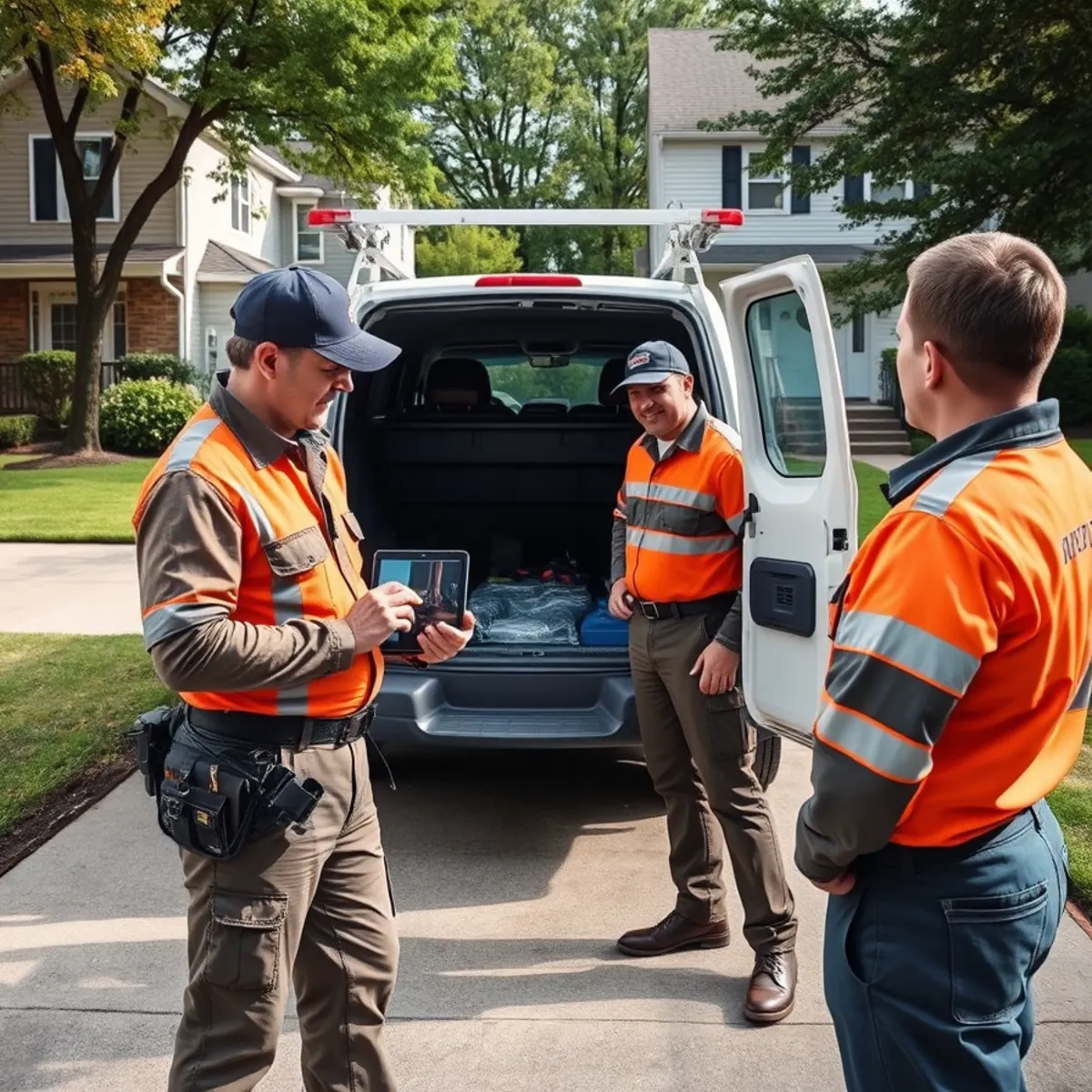
Most homeowners have heard some version of the same story: a plumber snakes a line, pulls the cable back, and says "yep, you've got roots" or "looks like it's collapsed back there." You nod, pay the bill, and hope they're right. A sewer line video inspection replaces that guesswork with a recorded, timestamped record of exactly what's inside your pipe — and that record is worth more than most homeowners realize until they need it.
We run cameras through sewer laterals across Shelby Township and Macomb Township every week, and the difference between "a guy told me" and "here's the footage" shows up constantly — in repair negotiations, insurance claims, and real estate deals. Here's why the recording itself is the real product, not just the inspection.
Why a Recorded Video Beats a Verbal Diagnosis
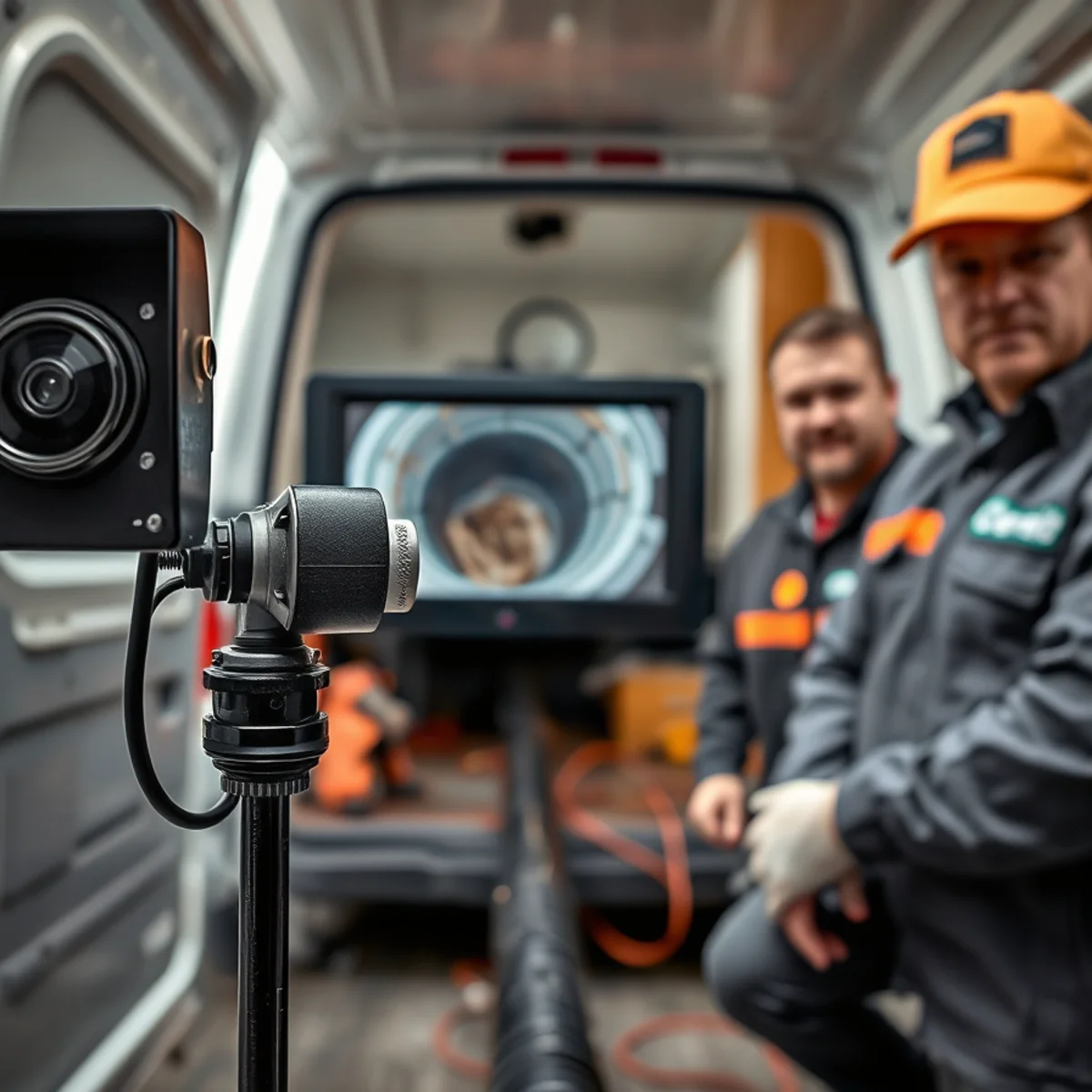
A verbal opinion is a snapshot filtered through one person's judgment, delivered from memory a few minutes after the camera comes out of the pipe. It can't be reviewed later, can't be shown to a second contractor, and can't be checked against what actually happened if a dispute comes up. Video removes that filter. You see the crack, the root mass, the offset joint, or the belly in the line yourself, at whatever point in the pipe run it occurs, with a footage counter marking the distance from the cleanout.
That distance marker matters more than people expect. It tells a repair crew exactly where to dig instead of guessing based on a rough description, which shortens excavation time and reduces the chance of tearing up the wrong section of yard or driveway. It also means that if a second technician looks at the same footage six months later, they're evaluating the same evidence, not relying on someone else's paraphrase of what they saw.
Comparing Repair Bids on the Same Footage
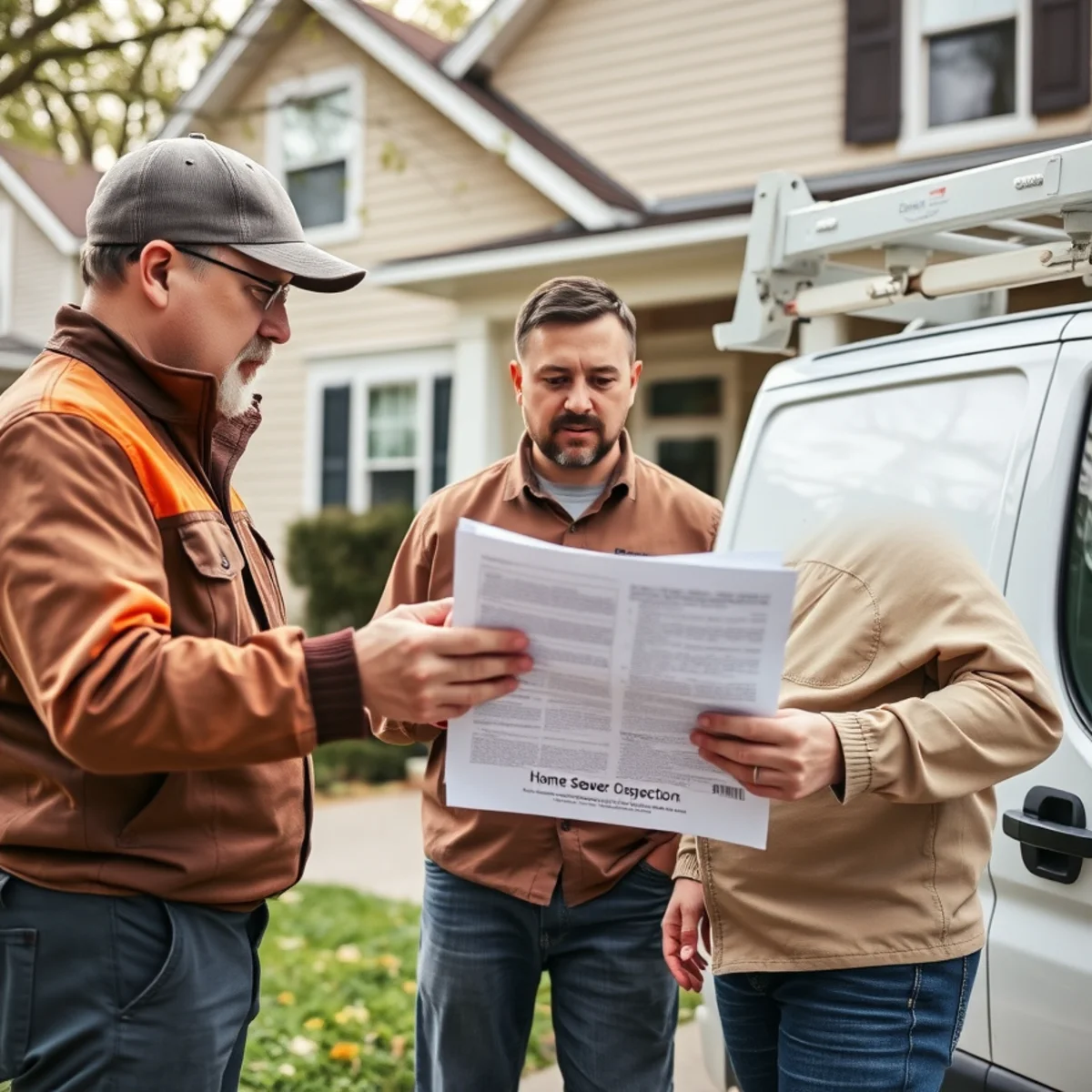
When a sewer line needs work, most homeowners are told to "get a few quotes." That advice only works if every contractor is quoting the same problem. Without shared video, each company sends its own technician to run its own camera, and you end up comparing three different opinions about three slightly different views of your pipe — sometimes with real differences in what each person actually pushed the camera through.
A single recorded inspection solves that. You get one video, one written summary of defects and their footage locations, and you can hand that exact file to every plumber or excavation contractor you're considering. Bids come back apples-to-apples because everyone priced the same defect at the same depth and the same distance from the house. That alone has saved our clients from paying for full line replacement when the footage showed a single, repairable joint separation instead.
Why This Matters for Older Neighborhoods
Many homes in Shelby Township and Macomb Township still run on clay or early PVC laterals installed decades ago. A recorded inspection tells you whether you're dealing with a spot repair or a full replacement before anyone starts digging — which is the difference between a $600 fix and a $12,000 one.
What Most Homeowners Get Wrong About Video Inspections
- Assuming any camera inspection automatically comes with a video file — some cheaper services only offer a verbal summary on site, so it's worth confirming before booking, not after
- Watching the footage once and then filing it away without noting the distance markers, which are what actually make it useful to a repair crew later
- Deleting or losing track of the file after a repair is done, instead of keeping it the way you'd keep an appraisal or a home inspection report
- Assuming a shorter, cheaper inspection covers the same ground as a full-length run, when a partial inspection can miss a defect further down the line
- Getting multiple verbal opinions instead of one recorded inspection shared with multiple contractors — which almost always costs more in the end and still leaves you comparing guesses
Documentation for Insurance Claims and Home Sales
Insurance adjusters and real estate transactions both run on documentation, and a video file is documentation in a way a verbal report never is. If a backup damages your basement and you file a claim, footage showing a collapsed pipe or a root intrusion supports your position that the failure was sudden and mechanical, not the result of neglected maintenance. Adjusters are far more responsive to a dated video with a written report attached than to a homeowner's account of what a plumber said over the phone.
The same logic applies when you're buying or selling a house. A seller who can hand over a clean, recent video inspection removes a major point of buyer anxiety and often avoids a renegotiation at closing. A buyer who orders their own inspection has hard evidence to bring back to the table if the line shows root intrusion or bellying — evidence a seller can review themselves rather than take on faith.
If you're on the buying side, a pre-purchase sewer inspection is this same service built around a home sale timeline — fast turnaround, a report written to support a purchase agreement, and footage you can put in front of the seller's agent if it changes the negotiation. Sellers and agents preparing a listing ahead of time often reach for the same service under its other name, real estate sewer inspection, to get ahead of exactly this kind of surprise before a buyer's inspector finds it first.
A Common Scenario: The Pre-Purchase Buyer in Troy Who Almost Skipped It
Say you're under contract on a 1970s colonial in Troy and weighing whether to add a sewer scope on top of the standard home inspection. The house looks fine, the general inspector didn't flag anything unusual, and the seller's disclosure doesn't mention any sewer history.
- A pre-purchase video inspection is scheduled during the standard inspection contingency window, with the footage and written report delivered the same day
- The recording shows moderate root intrusion at two joints roughly 40 and 60 feet from the cleanout — nothing visible from the surface, and nothing the general home inspector would have caught
- Armed with timestamped footage instead of a verbal description, the buyer's agent brings it back to the negotiation table alongside the purchase agreement
- The seller agrees to a credit toward the repair rather than disputing an unverifiable claim, because the video removes the argument about whether the problem is real
What Actually Gets Recorded
- Full-length color video from the cleanout or roof vent to the street tap or septic connection
- A running footage counter showing exact distance to any defect
- Pipe material, diameter, and general condition notes
- Visible defects: cracks, offset joints, root intrusion, bellies, scale buildup, or collapse
- A written summary report you can forward to contractors, insurers, or buyers
That combination of video plus a written report is what turns a one-time service call into something you can use for years. Homeowners keep these files the same way they keep a home inspection report or an appraisal — as a reference document for whatever comes next, whether that's a repair, a claim, or a sale.
What This Costs, By Situation
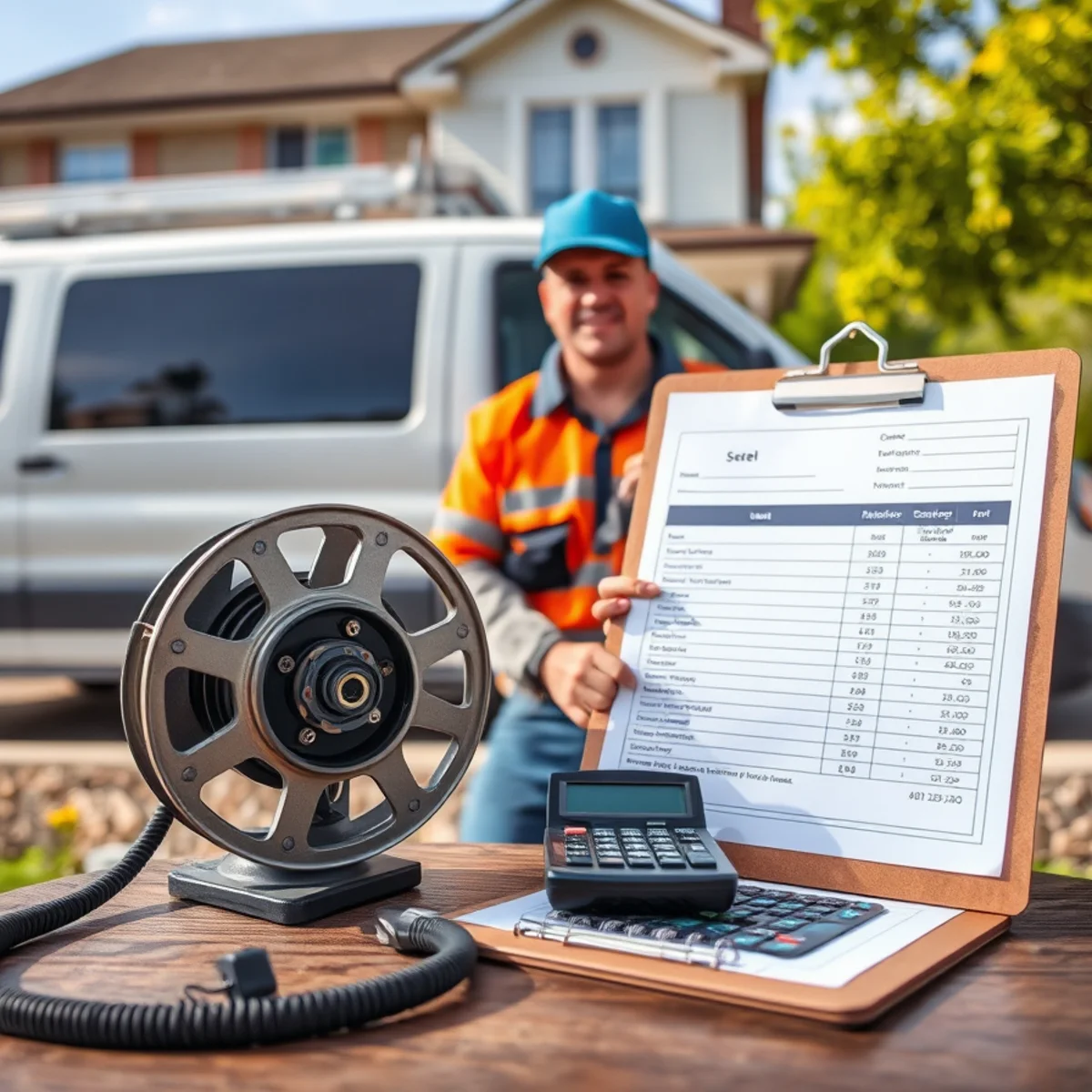
Pricing scales with pipe length, number of access points, and how quickly you need it done, not with which use case you're inspecting for. A few common scenarios:
Typical scenarios and what drives the price
- Standard single-family residential lateral — usually the $200-$500 local range, or in length tiers roughly $225-$500 for shorter runs up to $975-$1,900 for longer or harder-to-access ones
- Pre-purchase inspection on a tight closing timeline — priced the same as a standard residential inspection, though same-day scheduling may carry a modest premium depending on availability
- Commercial property scoping — larger diameter lines, more access points, and multiple building connections mean a commercial sewer camera inspection is quoted separately based on the specific building layout
- Regional average across the Detroit area — roughly $955, with a documented range of about $254 to $1,722 depending on scope, per our Metro Detroit cost guide
If you want a clear look at what's happening in your line before you commit to a repair — or before you list your home — see our related guide on sewer scope inspections for home buyers for what a similar inspection looks like from the buyer's side.
Step by Step: What Actually Happens During the Appointment
- The technician locates the best access point — usually an existing cleanout — and confirms it before the camera goes in
- The camera head is fed through at a steady pace, recording continuously while the footage counter tracks distance from the access point
- Any defect gets flagged in real time and revisited on a second pass if needed to get a clear, well-lit view before moving on
- Once the run is complete, the video file and a written summary noting each finding and its distance are prepared for delivery, typically the same day
- Digital delivery — a download link or file transfer — is standard, so you're not stuck waiting on a physical disc or a call back
A Second Scenario: Comparing Three Bids in Rochester Hills From One Video
Say you own a 1960s colonial in Rochester Hills and a video inspection shows root intrusion at two joints, roughly 25 and 45 feet from the cleanout. Rather than having three different plumbers each run their own camera and offer a different read on the same pipe, you send the single recorded file and written report to all three.
- One contractor quotes a full lateral replacement based on a phone description alone, without having watched the actual footage closely
- A second reviews the video and written distance markers and quotes spot repairs at just the two affected joints, since the rest of the line checks out clean
- The third contractor's quote lands close to the second once they've actually reviewed the same footage, giving the homeowner two consistent bids to weigh against the outlier
- The homeowner moves forward with a targeted repair instead of a full replacement, saving a significant amount over the first quote — a decision that would have been much harder to make with three separate, unshared camera runs instead of one
Questions to Ask Before You Book
- Do I get the full video file, or just a written summary?
- What format is the video delivered in, and will I need special software to open it?
- Does the footage include a running distance counter for any defects found?
- How soon after the appointment will I have the file and report in hand?
- Can this same inspection support an insurance claim or a real estate transaction if I need it to later?
Myths vs. Facts About Video Inspection Reports
- Myth: Any recorded footage is equally useful. Fact: resolution, lighting, and a working distance counter all affect whether a second contractor can actually act on the video, not just watch it.
- Myth: The video alone is enough without a written report. Fact: a report translates what's on screen into a defect list with locations, which is what a contractor or adjuster actually works from day to day.
- Myth: Video inspections are only worth it for a home sale or a claim. Fact: a routine baseline recording on an older home is useful on its own, long before any transaction or damage event comes up.
- Myth: A ten-minute inspection covers the same ground as a full-length run. Fact: coverage depends on how far the camera actually travels, not how long the appointment takes — a shorter run can miss a defect further down the line.
Spring Selling Season: Why Booking Ahead Matters in Metro Detroit
Video inspection demand isn't flat throughout the year. Spring and early summer, when most Metro Detroit home sales close, is also when pre-purchase and pre-listing inspection requests peak across Sterling Heights and neighboring communities. A buyer working inside a tight inspection contingency window doesn't have room for a multi-day wait, which is part of why booking as soon as an offer is accepted — rather than waiting until the contingency deadline is close — makes the difference between getting footage back in time to negotiate and not having it at all.
Next Step: When the Footage Shows a Clog Instead of a Structural Issue
Not every recorded inspection turns up a crack or a root mass. If your footage instead shows a straightforward blockage — grease, scale, or debris rather than a structural defect — our guide on how a drain camera finds hidden clogs covers what usually comes next, since a clog and a structural finding call for two different follow-ups. And if the defect turns out to be in the main line specifically rather than a branch, our main sewer line clog guide walks through that next step in more detail.
Ready to get a recorded inspection you can actually use? Call Sewer Inspects at (614) 830-0578 for a free quote in Shelby Township, Macomb Township, and across Metro Detroit.
Need a sewer camera inspection?
Same-day appointments across Sterling Heights, Macomb County & Metro Detroit. Free quote, no obligation.